

Choosing the best UK travel money rates in 2026 can make a real difference in your holiday budget, especially if you’re trying to stretch every pound.
Whether you’re planning a family trip or a solo escape, saving on currency conversion usually isn’t top-of-mind, but it probably should be.


This article explores the two most popular providers— Post Office travel money and Wise (formerly TransferWise)—and how they stack up for UK travelers wanting value, security, and convenience.
While some methods might look similar at first glance, the savings and travel stress can be surprisingly different.
This guide is likely to offer the most value if you’re a UK resident heading abroad in 2026, maybe for a short city break, a longer adventure, or business.
If you're at all cost-conscious, or just curious whether you’ve been missing out on better deals, it may be worth comparing every option for buying euros, US dollars, or even more obscure currencies.
Why UK Travel Money Rates Matter for 2026 Trips?
It’s easy to underestimate what those hidden charges and unseen margins can do to a travel budget.
Over a fortnight trip, small differences in exchange rates can quietly trim more than enough money to cover a dinner—or even your airport taxi.
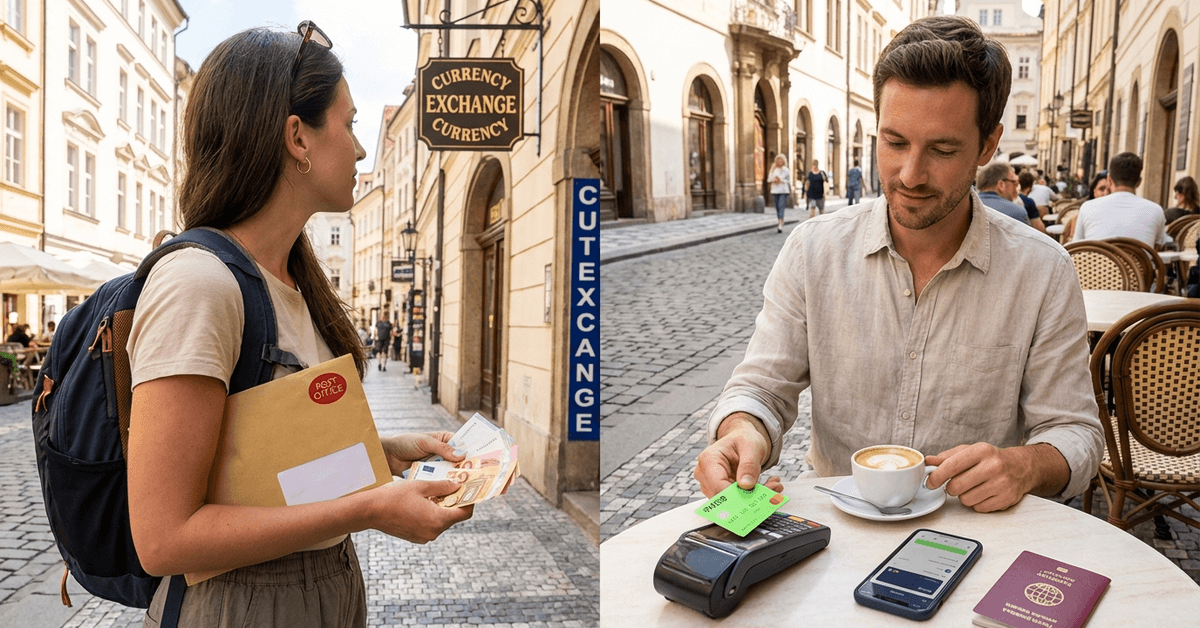
Besides being mindful about upfront costs, many travelers notice that 2026 is already shaping up to be a pricier year—hotel rates, transport, and food costs abroad are seeing steady jumps.
Getting the right rate on your travel cash is a way of fighting back, a little. Also, with tech options and high-street providers, the choice isn’t always obvious.
Understanding Post Office Travel Money
Post Office travel money is perhaps the most recognized way to buy foreign cash in the UK. They have a long-standing reputation and more than 11,000 branches, which may seem reassuring to many—especially if you’re wary of online-only brands.
You can often pick up euros, dollars, or other major notes with just a few days’ notice, sometimes instantly in main locations.
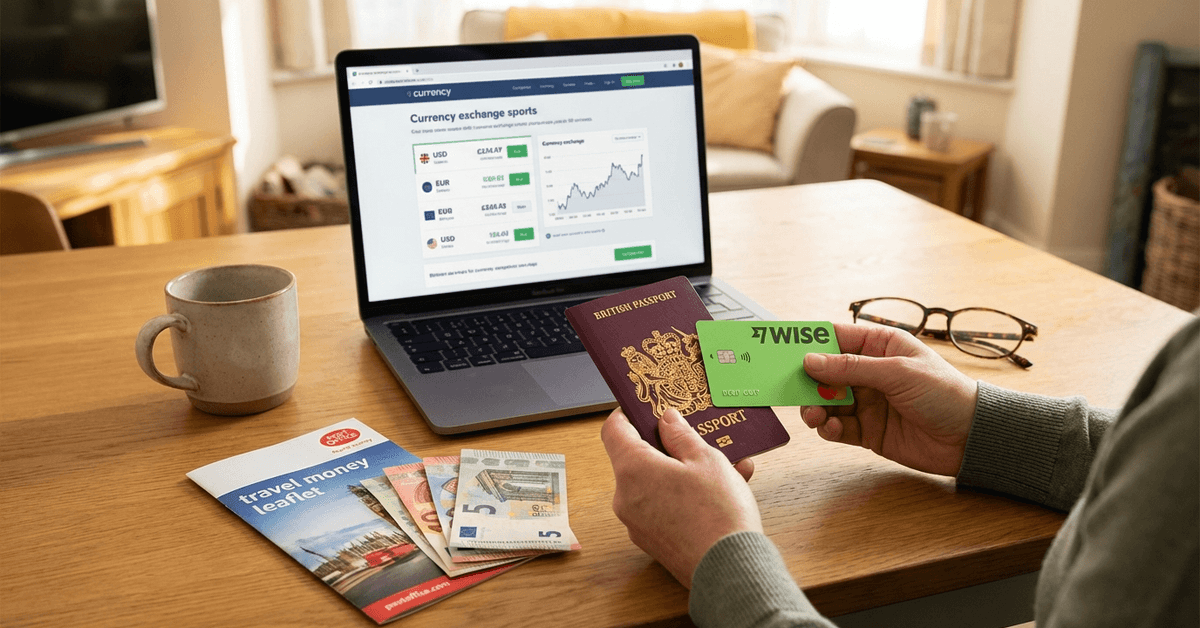
A common observation: their rates, shown online and instore, can occasionally differ. Instore walk-in rates can be less favorable than ordering online and collecting.
There's also the familiar buy-back guarantee (sometimes free, sometimes with a charge), which could ease some travel anxiety if exchange rates suddenly move, or plans change.
But Post Office also earns money on the spread—meaning you don’t get the mid-market rate.
That’s typical for high-street currency exchanges but can be less than ideal for those making large conversions.
How Wise (formerly TransferWise) Works for Travel Money
Wise , in 2026, is still shaping how people think about getting money abroad. Instead of physical cash, most Wise users get a debit card loaded with sterling.
When you pay in another currency or withdraw cash, Wise converts at the near-perfect mid-market rate—often with a small, transparent fee.
This can be a game-changer for frequent travelers or digital nomads, but it isn’t always intuitive. Wise typically doesn’t issue wads of foreign cash directly; if you want physical euros or dollars, you’ll need to use a local ATM or transfer to another provider.
Another point: with Wise, ATM withdrawals have certain limits before extra fees kick in. And, unlike with some high street providers, there isn’t a ‘buy back’ promise for unused funds—though you can always convert left-over currency back in the app (with the expected market-driven rate fluctuation).
Comparing Rates: Post Office vs Wise for 2026
This is where it gets interesting. Post Office posts daily rates on their website, usually a bit above the interbank (mid-market) rate; the difference covers their admin costs, security, and business overheads.
Wise, on the other hand, almost always applies the real mid-market rate plus a minimal fee. For most major currencies, the difference can be significant—sometimes several pounds per £100 exchanged.
Here’s a simplified (fictional, for illustration) comparison:
| Provider | Exchange Rate (GBP to EUR) | £200 Worth in Euros | Total Fees |
|---|---|---|---|
| Post Office | 1.1200 | €224 | Spread included in rate |
| Wise | 1.1450* | €229 | ~£2 service fee |
*Mid-market rate. Wise’s fee is transparent, and usually smaller than the spread most high street providers include in their exchange rate.
Obviously, rates vary daily. If you’re reading this in mid-2026, they may look quite different. The gap narrows for less common currencies, and Wise can sometimes be less effective for low-value transactions (think under £50) after fees.
Beyond Rates: Fees, Limits, and Practical Issues
Collection and Delivery
With Post Office, large branches hold cash onsite. You can also order and collect, which is handy for last-minute travelers.
Home delivery is available too, but sometimes with a fee and a minimum spend. For Wise, there’s no branch—you’re carrying your phone and card in your wallet.
Security and Protection
Post Office cash is just like any—if lost, it can’t be recovered. Wise cards offer protection features: freeze, unfreeze, manage limits live in-app.
If your card is compromised, it’s not the end of your entire holiday fund. Both brands are FCA-regulated (in the UK), which offers some peace of mind.
Accessing Funds Abroad
Some still prefer to travel with a chunk of cash for taxis, markets, or remote hotels that might not take cards. Others are happy tapping or swiping everywhere.
Wise can fall short if you land in a cash-only destination. Post Office’s offering is more predictable for old-school needs—physical notes in pocket, ready from day one.
Buyback and Currency Fluctuations
Post Office sometimes includes a ‘buy-back’ option, which can be reassuring. If you return home with unused cash, you may get a guaranteed return rate.
Wise simply converts it back instantly, locking in whatever rate is on offer at that moment. That could work out better or worse, depending on market moves.
Who Should Use Post Office or Wise?
This gets a little subjective. Some travelers just sleep better knowing physical notes are in hand before leaving the UK.
If you’re anxious about connectivity, or traveling to very rural areas, the Post Office’s traditional model feels safer—though you may pay for that certainty through a less competitive rate.
Others, particularly those happy to manage money via apps, seem to rave about Wise’s mid-market rates and app tracking.
If you’re making lots of small payments, want to avoid carrying cash, or need to juggle currencies, Wise is likely to come out ahead for value. But it’s not always as instantly reassuring as having hard cash.
Tips to Get the Best Value on UK Travel Money in 2026
- Always compare actual cost for the amount you plan to exchange, including all fees or pick-up charges.
- Check if the provider offers a ‘buy back’ option and what it costs—especially valuable if you expect to return with leftover currency.
- Consider how you'll be spending abroad: cash, card, phone payments or a mix. The right choice might change by trip.
- Look for FCA regulation. Both Wise and the Post Office are covered, but avoid unregulated currency providers, especially online-only brands promising too-good-to-be-true rates.
- Plan how much cash you need. Too little—and you’ll be hit with more charges if you need to buy more later. Too much, and you risk costly reconversion or security worries.
Legal and Tax Considerations for UK Travelers
Most ordinary travelers have little to worry about with UK travel money, but there are a couple of points worth noting for 2026.
Carrying large sums of cash (over €10,000 or equivalent) across some borders means you’ll need to declare it at customs. Failing to do so can lead to fines or seizure, even if it’s just your own savings.
Card-based solutions like Wise sidestep most of these issues. Plus, if you’re abroad for long periods, income from overseas (or Capital Gains on currency movements) may need to be declared on your UK tax return.
It’s rare for holidaymakers, but expats and frequent travelers could benefit from double-checking with an accountant or official source—HMRC offers clear travel money guidance online.
FAQs: Common Questions About UK Travel Money for 2026
Is travel money from the Post Office safer than using a fintech card like Wise?
Both are safe in UK terms, though carrying large amounts of cash anywhere comes with risk. Wise offers app controls that can limit losses, while the Post Office’s main risk is simply losing your notes.
Can I get the best rates on travel money by swapping between providers?
Possibly, though rate shopping often has diminishing returns for low-value transactions when you factor in time and effort.
For larger sums, it pays to be thorough. Using more than one provider (e.g., cash plus a backup card) covers more scenarios while keeping costs down.
What if I need an unusual currency?
Post Office provides a fairly wide range, though obscure currencies may have a wait time. Wise supports many currencies digitally—convert, hold or spend via card. For physical notes in rare denominations, always order in advance.
What’s the wisest way to mix cash and digital payments on a trip?
No one-size-fits-all answer. Many travelers take some cash for emergencies (taxis, tips), using fintech cards the rest of the time. Wise makes tracking and managing funds easy, but in remote areas, cash can be king.
Final Thoughts
Choosing between Post Office travel money and Wise depends on how you travel, spend, and manage risk.
Wise may offer stronger value for digital payments, while Post Office can feel more practical for travelers who want cash in hand before departure.
The best option is often the one that balances good rates with the kind of access and reassurance you actually need.
Comparing total costs and planning ahead can help you keep more of your travel budget intact.