

Car insurance premiums are rarely as straightforward as they seem. For many drivers, unexpected fees might surface much later—at the worst possible moment.
Folks researching policies often wonder, “Are there really extra costs beyond the numbers I see online?”



This article sheds light on hidden car insurance charges and explores how using comparison sites could help buyers spot and sidestep unpleasant surprises.
Whether someone’s shopping for their first policy or reviewing an existing plan, understanding these fees may protect both peace of mind and wallets.
The following insights are especially valuable for anyone looking to make informed, cost-effective decisions without accidentally blowing the budget.
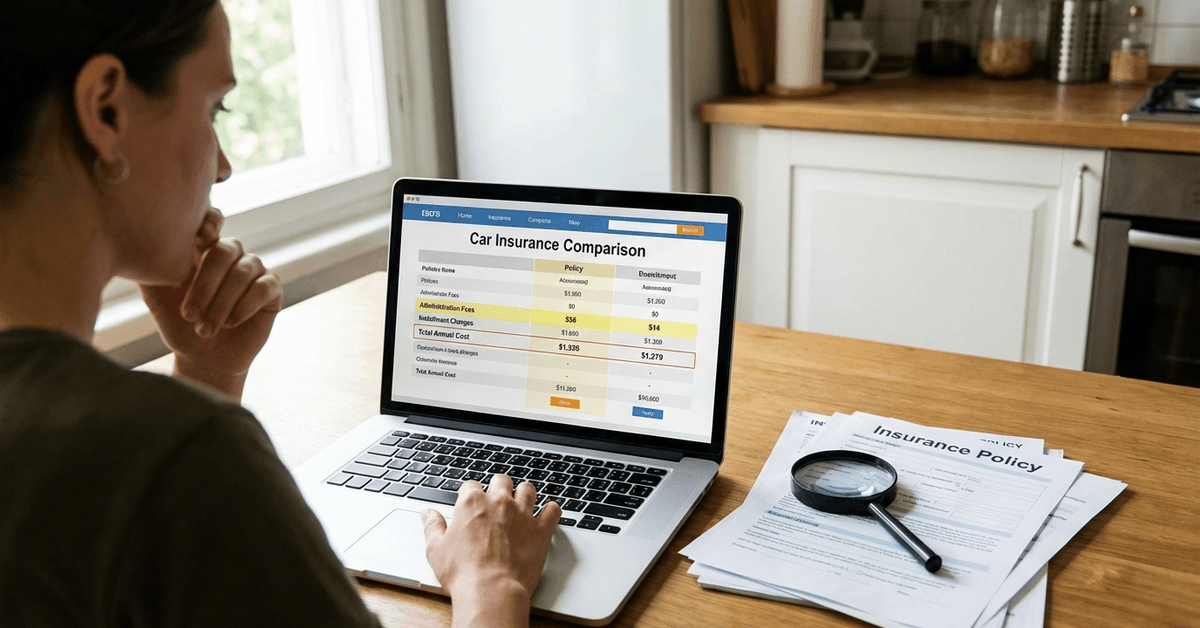
Why Hidden Car Insurance Fees Exist?
Scanning the fine print on car insurance agreements might not be anyone’s favorite activity. Yet this is typically where extra charges lurk.
Many policies display an appealing monthly or yearly price upfront, while lesser-known add-ons or penalties are easily buried.
Why do these costs exist if the law demands transparency? Well, insurance providers balance risk, administrative expenses, and profit through a variety of mechanisms—sometimes masking true total prices as a result. It’s a frustrating reality for anyone seeking straightforward budgeting.

Common Car Insurance Hidden Fees
Understanding the types of fees that could inflate car insurance bills is helpful. Not every policy includes all of these, but none are uncommon in the industry.
Administrative Processing Fees
Processing an application, updating personal details, or requesting changes after signing up might mean extra charges. This isn’t always made obvious upfront.
Installment Payment Charges
Some insurers add a fee to break the premium into monthly payments, rather than requiring a lump sum. Over a year, these small amounts add up—sometimes significantly.
Cancellation and Early Termination Fees
Drivers who cancel before the end of a term may face penalties. Sometimes, even a move to a new insurer can come at a cost.
Policy Amendment Charges
Changing vehicle details, adding new drivers, or altering coverage may trigger adjustment fees. Even minor shifts, like updating an address, have been known to cause unexpected expenses.
Document Reissue Fees
Requesting a replacement insurance document, proof of no claims bonus, or policy reinstatement might come with an administrative surcharge.
Late Payment Penalties
Missing a scheduled premium payment can be costly. Many policies specify late payment fees in the small print. Over time, these can seriously affect the total cost of insurance.
How Comparison Sites Address Hidden Charges?
Car insurance comparison websites have changed the way people shop for coverage. Their main function? Showcasing multiple policies side by side in terms of price and features.
But perhaps their greatest strength lies in highlighting differences that might otherwise go unnoticed—including hidden fees.
Transparent Side-by-Side Price Breakdowns
By displaying rates from different insurers at once, comparison tools let users see what’s included and what’s not.
Some sites go even further, breaking out associated fees that often fall under the radar elsewhere. A box might read, “Policy Amendment: $25,” rather than leaving it buried in a terms document.
Filtering for Total Cost Instead of Just Premiums
Many comparison platforms now allow searches based not just on headline premiums, but also on “total annual cost” or “all-in pricing.” Seeing the out-the-door figure can be revealing—and a bit of a reality check.
User Reviews Flag Hidden Charges
Plenty of comparison portals feature real user experiences. These reviews might mention unexpected fees, slow processing, or other small print pitfalls. Reading through can help avoid repeating costly mistakes others have made.
What to Look for When Using Comparison Sites?
It’s easy to focus only on a website’s cheapest option or most prominent provider. However, hidden insurance costs may still linger. A thoughtful approach usually helps prevent oversights.
Check Fee Schedules or Summaries
Some sites place a “read more” or “fees” tab next to policy descriptions. Taking a moment to click through may reveal essential costs not in the headline price.
Be Mindful of Commission Structures
Comparison platforms sometimes receive incentives from providers for referrals. While most are unbiased, it’s possible that certain listings could prioritize placement over transparency. It’s always worth a double-check.
Watch for Optional Extras
Breakdown coverage, legal assistance, and courtesy cars are often shown as add-ons, with their own fees. Some comparison engines allow toggling these extras on and off, making the final price more understandable.
Can Comparison Sites Fully Eliminate Hidden Fees?
This is a fair question. Comparison platforms improve transparency, but can they remove all nasty surprises?
It’s still possible for niche fees—say, under very unusual circumstances—to escape mention. No tool is perfect, though smarter questions lead to better decisions.
Reading policy summaries, consulting real-world reviews, and cross-referencing with official insurer websites may further lower the risk. For those anxious about missing details, this extra diligence brings peace of mind.
Benefits of Using Comparison Sites for Smart Shoppers
Adopting comparison tools as a regular part of the shopping process comes with several clear rewards.
- Time saving: Collates options in one place
- Cost saving: Reveals fees that inflate the ‘real’ total cost
- Confidence: Empowers users to choose based on real factors—rather than assumptions or wishful thinking
- Flexibility: Easier to spot specialized policies with no hidden penalties
Some users also describe feeling more in control after using these tools. That’s a benefit that’s hard to quantify, but undeniably valuable.
Comparing Policy Fees: What the Data Shows
Some studies (including industry white papers) indicate that policyholders who use comparison sites are less likely to be caught out by unexpected administrative charges.
On average, they pay closer to their quoted premium—if not a bit less, thanks to competition between insurers.
The impact isn’t absolute, but it’s meaningful. When insurers are aware customers have wide visibility into costs, there’s just less incentive to hide fees.
Transparency is contagious. Still, perhaps there’s no guarantee of perfection—and maybe a little skepticism remains a healthy thing.
Additional Considerations for International Drivers
For anyone purchasing car insurance in a country where they didn’t grow up, comparison sites can prove doubly useful.
Not only are fees displayed more transparently, but the best sites also translate terms or present them in familiar formats. This reduces the risk of accidentally agreeing to charges slipped in by regional custom.
The advice applies anywhere: the further policyholders are from a home market, the more critical it feels to scrutinize fees, use comparison engines, or consult advice from fellow expatriates.
Tips for Avoiding Car Insurance Hidden Charges
There are ways to keep car insurance costs honest. It’s not complicated, but it is deliberate.
- Compare policies yearly, not only at renewal
- Ask insurers directly about any fees not listed online
- Scrutinize optional extras before ticking boxes during purchase
- Keep records—if fees arise unexpectedly, previous communications help dispute them
Some drivers even report that mentioning a quote found on a comparison site prompted their insurer to clarify or waive extra charges. Results seem to vary, but it’s a technique worth considering.
Frequently Asked Questions About Car Insurance Fees
Are all comparison sites reliable for fee transparency?
Most major comparison sites strive to display accurate pricing and highlight extra charges. Smaller or less-established portals may lag behind, so if in doubt, check terms independently.
Can hidden fees be refunded or contested later?
In some cases—especially with improper disclosure—fees may be challenged. Regulatory authorities in many regions support consumer protections, though processes differ by country.
Is the cheapest insurance always the best?
Not necessarily. Sometimes lower premiums mean more hidden fees or restricted coverage. Balancing price, coverage, and transparency typically results in a safer outcome.
Final Thoughts
Hidden car insurance fees can quietly raise the real cost of a policy well beyond the advertised price.
Comparison sites help by making pricing, extras, and common charges easier to spot before you commit.
Still, the smartest approach is to combine comparison tools with careful reading of policy details and direct questions to insurers. A little extra checking now can save money and frustration later.