
If you've ever wondered how having access to a free phone with the Food Stamps program works, you're not alone. Many individuals may not realize their eligibility for programs offering communication tools at no cost.
This guide is for people who currently receive SNAP benefits (also known as food stamps) or are considering applying. Staying connected is essential today—it impacts work, family, and even personal safety. Understanding your options may make a real difference in daily life.


The benefit of reading this article is practical: readers will find clear, accessible information about the process, requirements, and what to expect when pursuing a no-cost phone through government initiatives. Let's get right into it.
Overview: How the Free Phone Program and Food Stamps Connect
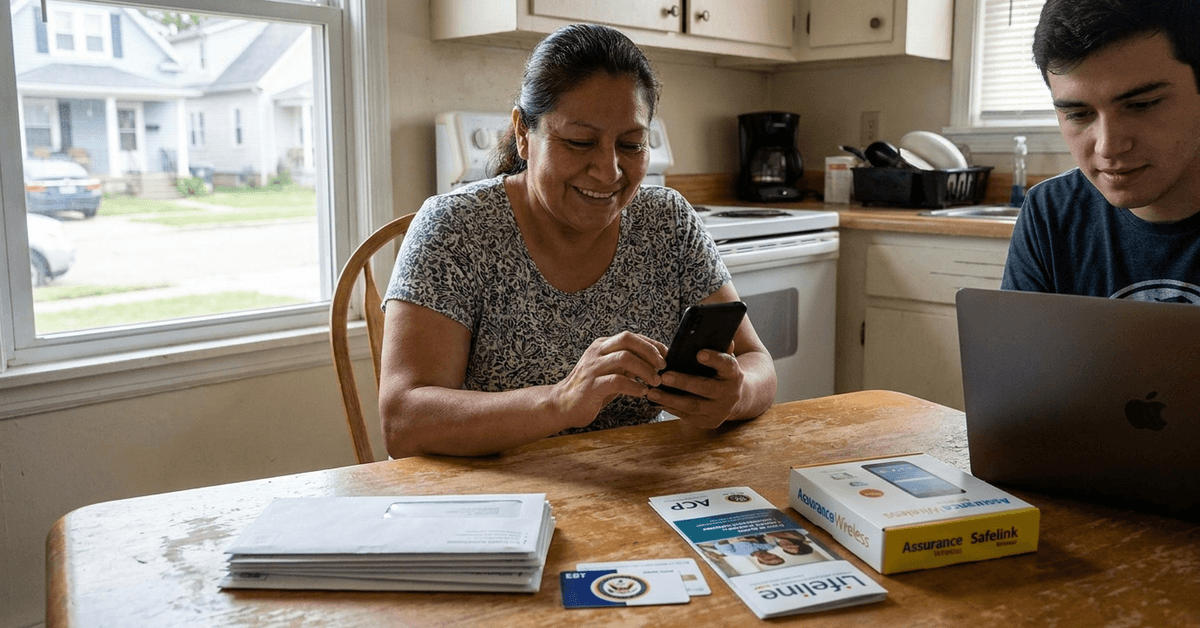
The path to a free phone with food stamps is grounded in Federal assistance policies. Two government-supported programs—Lifeline and the Affordable Connectivity Program (ACP)—connect low-income families with technology.
Not every program is well-publicized. Some people may qualify and never realize it. The connection lies in eligibility: receiving government aid (like SNAP) generally means you meet the income requirements for both Lifeline and ACP.
Simply put, these two initiatives aim to ensure all Americans have basic communication and web tools, not only those who can afford regular monthly bills.
Why Access Matters: Communication, Safety, and Opportunities
Possessing a functioning mobile phone is more than just convenience. For many, it means access to emergency services, healthcare assistance, school updates, and job opportunities that may otherwise slip by unnoticed.
If you’re searching for employment, many companies expect applicants to provide phone numbers for interviews. It goes beyond calls: some employers use messaging apps or even video chat for first-round discussions now.
Safety remains another key concern. Quick access to 911 or being able to reach loved ones during a crisis can make a noticeable difference in outcomes, especially for vulnerable groups.
Who Qualifies for a Free Phone With Food Stamps?
Understanding eligibility is critical. Generally, individuals receiving SNAP (Supplemental Nutrition Assistance Program) benefits fall under the income threshold to access Lifeline and ACP programs. There are subtleties and overlaps though.
Federal Lifeline Program Requirements
To qualify for Lifeline , your household income must be at or below 135% of federal poverty guidelines. Alternatively, if you participate in programs like Medicaid, Supplemental Security Income, or SNAP, you’re considered eligible.
Proof of participation is usually required. This can range from an official SNAP award letter or documentation showing recent receipt of benefits. Each selected provider may ask for slightly different paperwork.
Affordable Connectivity Program (ACP) Eligibility
The Affordable Connectivity Program (ACP) supports broadband and device discounts. Typically, if you’re already a SNAP participant, you’ll also qualify for ACP. The two programs often go hand-in-hand.
This program includes a discount on a connected device (such as a tablet or phone) and monthly discounts for internet access. Exact offerings can vary by provider and geography, so reading the terms is worthwhile.
How to Apply for a Free Phone Through Food Stamp Eligibility
The process to receive a free phone under these government initiatives involves several clear steps. Most applicants will follow a straightforward path, but the details deserve attention.
Steps to Start the Lifeline Application
- Verify your eligibility—usually through SNAP participation or meeting income standards.
- Gather necessary documentation (award letters, proof of address, photo ID).
- Select a Lifeline-approved provider in your area.
- Submit your application on their website or at a local office.
The official Lifeline website provides details and lists of participating providers. Decisions are often quick—sometimes within the same day for digital applications.
Affordable Connectivity Program Application Basics
- Check your provider’s ACP offerings since participation varies.
- Complete the ACP application, which may be combined with the Lifeline application at times.
- Await approval and follow up if any documentation is missing or needs clarification.
Providers that offer ACP devices and free phones typically clarify during the sign-up process. More information is available at the FCC Affordable Connectivity Program page.
Main Providers Offering Free Phones With SNAP Eligibility
Depending on where you live, several major wireless companies participate in government phone programs. Not every provider is available in each area, and the model of phone offered can change.
Popular Lifeline and ACP Carriers
- Assurance Wireless
- Safelink Wireless
- Q Link Wireless
- enTouch Wireless
Each company may offer variations: some provide smartphones, while others may only offer basic mobile phones with calling and texting. Some may also bundle data plans, which can be helpful for families with children or those needing consistent internet access.
What’s Included With a Free Government Phone?
A key detail for applicants is understanding what is—and isn’t—part of the phone package. Free phones offered via government programs are generally not the latest models, yet cover essential needs.
Expect basic smartphones with features like calling, texting, email, and internet browsing. Devices sometimes include cameras and limited storage, but this depends on what each provider has in stock.
The monthly phone plan usually includes a set allotment of call minutes and a modest data plan. Unlimited plans or more expensive models sometimes require a small upgrade fee.
Tips to Maintain Eligibility and Service
Once approved for a government free phone program, it’s important to remember that eligibility must be maintained year-to-year. Recertification is usually required annually.
If your SNAP or other qualifying benefits change, your Lifeline or ACP status might be affected. Providers typically send reminders when it’s time to revalidate information.
Losing eligibility may result in loss of free service. It might be frustrating, but the process of reapplying or updating your case can sometimes be straightforward if your circumstances have changed temporarily.
Possible Downsides and Limitations
Several limitations are worth mentioning. Not every phone model will suit every user, and selection can feel limited compared to regular retail plans. Customer service varies.
Some users have experienced occasional connectivity issues, especially in rural areas. The included data allotment may not meet heavier usage needs, although basic functionality remains reliable for most cases.
Certain providers might charge shipping fees or administration costs, which aren't always widely advertised in advance, so it’s worth reading the documentation carefully. These small inconveniences are common in many assistance programs.
Practical Advice: Protecting Your Information
Applying for a free phone means providing personal and financial details. Official program websites, like Lifeline and the FCC, use secure systems but, unfortunately, scams do exist in the industry.
Ethical, established providers never ask for upfront fees or confidential information over the phone without verification. When applying online, double-check you’re on the correct domain before entering any details.
If something feels suspicious, it's never a bad idea to pause and seek clarification from your state SNAP office or official phone program helpline.
Potential SEO-Friendly Internal Link Slug Suggestions
- free-phones-for-snap-recipients-explained
- government-phone-programs-eligibility-guide
- how-to-renew-lifeline-phone-service
Free Government Phones and Food Stamps: A Lifeline for Staying Connected
In summary, the ability to receive a free phone with food stamps eligibility highlights how assistance programs adapt to our connected world. This support can make work, safety, and opportunity more attainable for millions of families.
Knowing your rights and resources is worthwhile. While the journey may include some waiting or uncertainty, many find the rewards are more than worth it. Reliable communication should not be a privilege—these programs help make everyday life just a little bit easier.
If you or someone you know is considering the application process, reputable sources like Lifeline or the FCC represent trustworthy starting points for more details and current rules. The difference a working phone can make is often bigger than most expect.