

The Chase UK Cashback Card has caught the attention of both frequent spenders and those just looking for a simple way to get something back on shopping.
For anyone interested in maximizing daily expenses, understanding how cashback works, and weighing the hurdles against the potential rewards, this detailed review offers much-needed clarity.



So, whether you’re already banking with Chase or exploring alternatives, the card’s features could shape your spending experience in surprising ways.
What Is the Chase UK Cashback Card?
The card positions itself as a newcomer in the UK’s crowded credit card market. Backed by the credibility of JPMorgan Chase, it’s structured as a debit card with a credit-like cashback feature. Unlike traditional credit cards, it doesn’t build your credit file but offers similar everyday perks.
That detail might matter more to some than others. For people who don’t want another credit check or are hesitant about potential debt, a cashback debit card might actually feel safer.
Key Features and Benefits
The Chase Cashback Card seems, on first glance, to keep things really simple. Simplicity can be appealing, although it does mean missing out on certain complex reward structures.
The cashback rate, eligibility, and the process are all relatively easy to understand—a welcome departure from cards that make users jump through hoops.

1% Flat Cashback on Eligible Purchases
Perhaps the standout feature: users receive 1% cashback on most everyday card purchases for their first year. There are, as with most cards, some categories that don’t qualify, such as gambling and certain government payments.
After that year, there’s the option to renew—details here can change, so it's worth checking the official Chase UK site for current terms.
No Annual Fee
One of the more attractive features is that it’s fee-free to hold. There’s no annual charge, which is increasingly rare among cards offering ongoing cashback.
Seamless App and Mobile Management
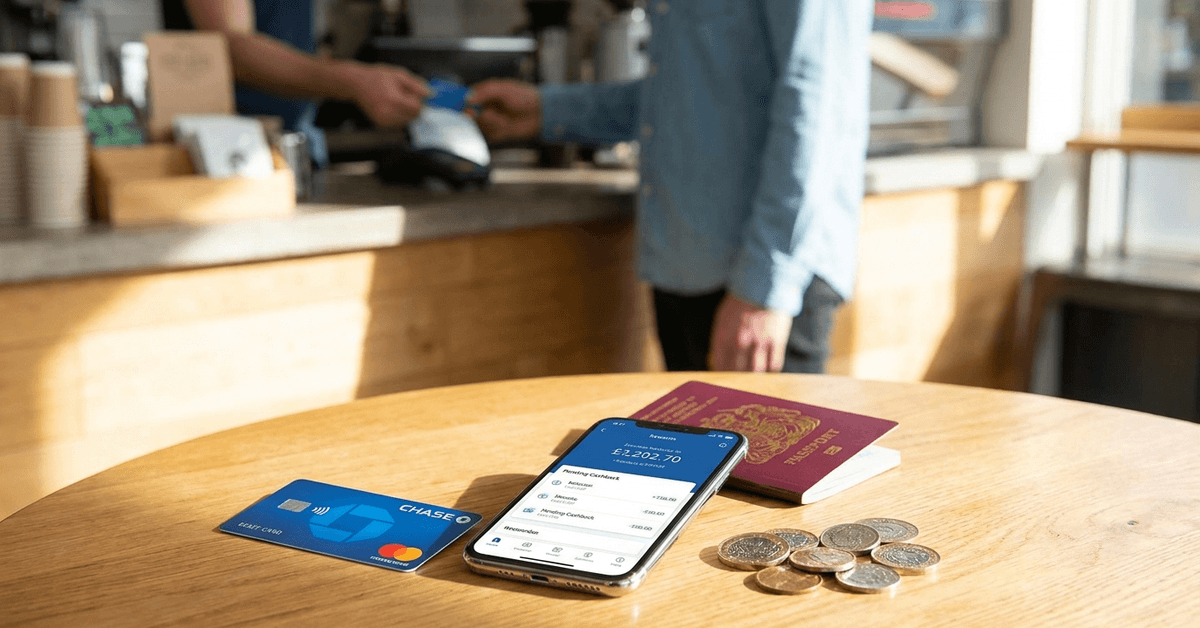
The Chase app is well designed—it gets plenty of praise for clarity, which can make tracking your spending, rewards, and account balances almost effortless. Not everyone finds apps easy, but this one gets good marks.
How Does the Cashback Work?
The structure is quite straightforward, but a few quirks are worth mentioning. As soon as you make a qualifying purchase, the cashback appears separately within the app.
It’s not credited instantly to your balance—instead, it’s stored within your cashback pot, which can be withdrawn anytime.
Some users have described this as reassuring; you see the reward growing in a little stash, rather than being mixed in with daily spending funds. There's something mildly gamified about watching the pot fill up.
Eligibility, Application, and Account Requirements
Eligibility requirements are a bit different from the usual credit card. Since the Chase Cashback Card is a debit card, a good credit score is less relevant.
Instead, applicants need to be UK residents, aged 18 or older, with the ability to complete digital identity verification.
Chase requires an account with them, so the first step involves downloading the app and opening a full bank account. This is the only route in; there isn’t a physical branch or non-digital alternative.
Application Process
The application is digital-only. Some may appreciate the lack of paperwork. Others might be put off by needing a smartphone and digital access, but for many, it’s fairly routine by now.
If you’re curious or hesitant, reviews on the Play Store and App Store give a picture of what to expect with the onboarding process.
Where Can You Earn Cashback?
This card provides rewards on most everyday spending, such as:
- Supermarkets
- Restaurants and food delivery
- Fuel
- Public transport
- Online retailers
Certain payments don’t qualify. Examples include gambling transactions, buying cryptocurrencies, or making payments to HMRC. Some may find these exclusions limiting, while others rarely spend in these categories anyway.
Can You Combine with Other Offers or Accounts?
A common question is whether the Chase Cashback Card can be used in tandem with other rewards programs. Since it’s a debit card, it can potentially be stacked with app-based loyalty programs, store-specific points, or digital wallet discounts.
No double dipping with other bank cashback—but earning supermarket points and cashback, for instance, is usually fine. Some find this synergy an underappreciated perk.
What Are the Limits and Restrictions?
No cashback system is without its cap. Chase limits maximum cashback to:
- £15 per calendar month
- 1% per transaction
While that monthly cap is fairly generous for most casual spenders, those with higher monthly expenses may reach it quickly. No one likes limits, but it does help avoid unlimited exploitation and keeps the program sustainable.
You can, however, keep earning every month, and there are no caps on spend itself, just the cashback you can get credited.
International Use and Currency Conversion
This is an area where the Chase Cashback Card surprises. There are no foreign transaction fees for purchases made abroad or for online purchases from international websites.
For travelers or frequent online shoppers, this could add up to meaningful savings. Some users note that, combined with the cashback, it could be among the best cards for spending while overseas—at least for purchases, not cash withdrawals.
Cash Withdrawals Abroad
ATM withdrawals abroad are fee-free up to a specific monthly limit (often £500 per month, but subject to change—check current terms).
Beyond that, withdrawal fees start to apply. Those living or traveling outside the UK regularly might want to keep an eye on this cap.
Pros and Cons: An Honest Take
No card is perfect, and the Chase Cashback Card has its strengths and limitations. Here’s a summary—though some might weigh these factors differently, depending on spending style:
- Simple, transparent cashback structure
- No monthly or annual fees
- No credit checks or impact on credit file
- Excellent mobile experience, fast notifications
- No foreign transaction fees
- Monthly cashback cap could limit bigger spenders
- Digital-only: not ideal for those averse to apps or reliant on in-person banking
- Some transactions (gambling, government) excluded from cashback
- Needs a full Chase UK account to access
Chase Cashback Versus Other UK Cards
How does the Chase product stack up against the likes of Santander, Lloyds, or Monzo? Traditional cashback credit cards sometimes offer larger introductory rates but often require good credit, impose annual fees, or have complex reward tiers.
Challenger banks may offer other perks—such as interest on balances—but rarely combine cashback with fee-free international spending.
| Provider | Max Cashback Rate | Annual Fee | International Fee | Eligibility |
|---|---|---|---|---|
| Chase UK | 1% (up to £15/mo) | £0 | £0 | Open to UK residents, 18+ |
| Santander 123 Lite | Up to 3% (specific categories) | £2/month | 2.95% | Credit file, income requirements |
| Monzo Plus | None on debit spend | £5/month | 0% to £200/mo, then 3% | Open to UK residents, 18+ |
Who Might Benefit Most from This Card?
The Chase Cashback Card isn’t for everyone—but it might shine for:
- People who want simple, predictable cashback with no annual fee
- Those uncomfortable with credit cards or looking to avoid debt
- Frequent travelers (because of the lack of foreign fees)
- Mobile-savvy consumers who appreciate an app-driven experience
For someone living on a tight budget, the £15 cap could easily be enough. For high-rollers, the limitations could, perhaps, feel constricting—then again, the peace of mind from no over-spending risk may outweigh the cap for some.
Security, Support, and User Experience
Security-wise, Chase leverages the strength of JPMorgan’s global systems. The app offers two-factor authentication, real-time transaction alerts, card controls (like freezing/unfreezing), and biometric log-in. In case of card loss or fraud, it’s simple to block and replace via the app.
Chase’s customer support is digital-first: there’s in-app chat and phone support, but no high street branches. Some users have found wait times for digital chat a bit inconsistent—clearly an area for potential improvement.
Responsible Usage and Potential Pitfalls
No cashback card is a substitute for careful financial management. For some, the reward structure could tempt unnecessary spending—it’s surprisingly easy to justify an extra treat "because there’s cashback."
Being aware of such tendencies is important; in fact, it’s a common pitfall with all loyalty programs.
As with any banking or financial product, applicants should review official Chase documents directly—terms and rates can update or shift without much warning. There’s no harm in being cautious or double-checking before making big financial decisions.
Final Thoughts on Chase Cashback
The Chase UK Cashback Card can be useful for shoppers who want simple rewards without annual fees or credit card debt. Its value comes from 1% cashback, app-based tracking, no foreign transaction fees, and easy access to a separate cashback pot.
Users should review the monthly cap, exclusions, account requirements, and digital-only setup before relying on it. Used carefully, it can support everyday savings and safer spending management.