

The gig economy has changed how people approach work. Many explore options for flexible side income, and becoming a Walmart Spark Driver stands out for its unique benefits.
For those seeking work-life balance , or perhaps anyone wanting more control over their daily schedule, Walmart’s Spark Driver program might be worth exploring. This article explains what the job involves, what to expect, and how to start.



Readers curious about the real-world process and the flexibility offered may find this overview especially useful. There’s a lot of potential detail to unpack, and a few aspects are somewhat less obvious at first glance.
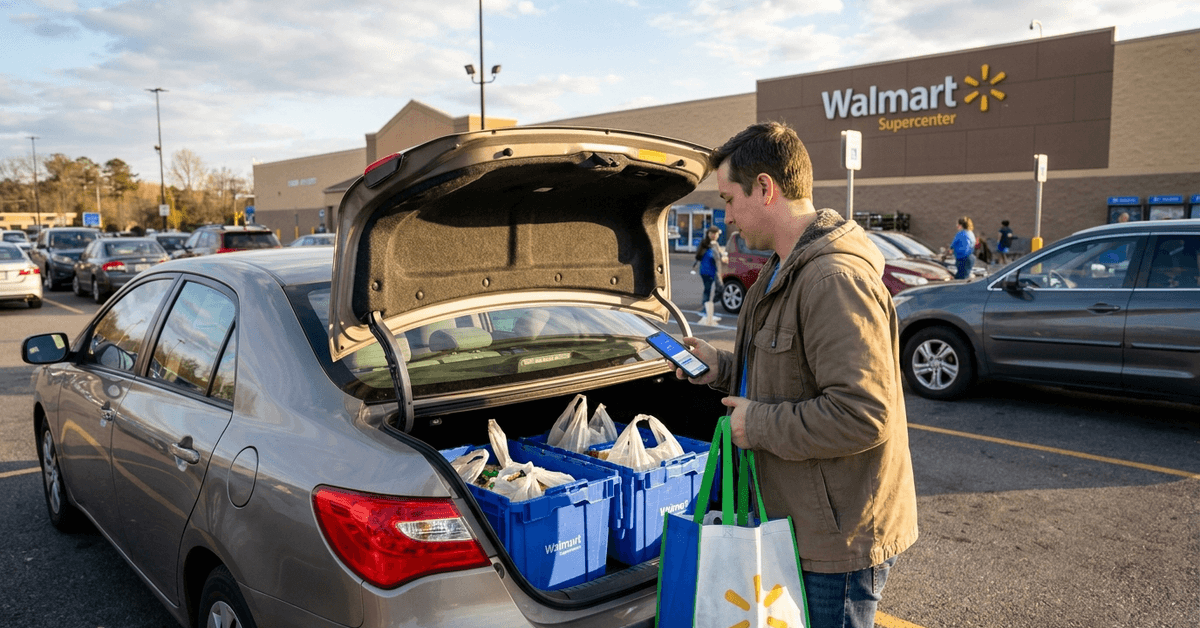
What Is the Walmart Spark Driver Program?
Launched to connect independent drivers with customer delivery needs, the Walmart Spark Driver program operates across much of the U.S. It’s a part of the expanding last-mile delivery network.
Unlike traditional employment, Spark Drivers are independent contractors. They’re not Walmart employees, and this distinction impacts scheduling, pay, and taxes.
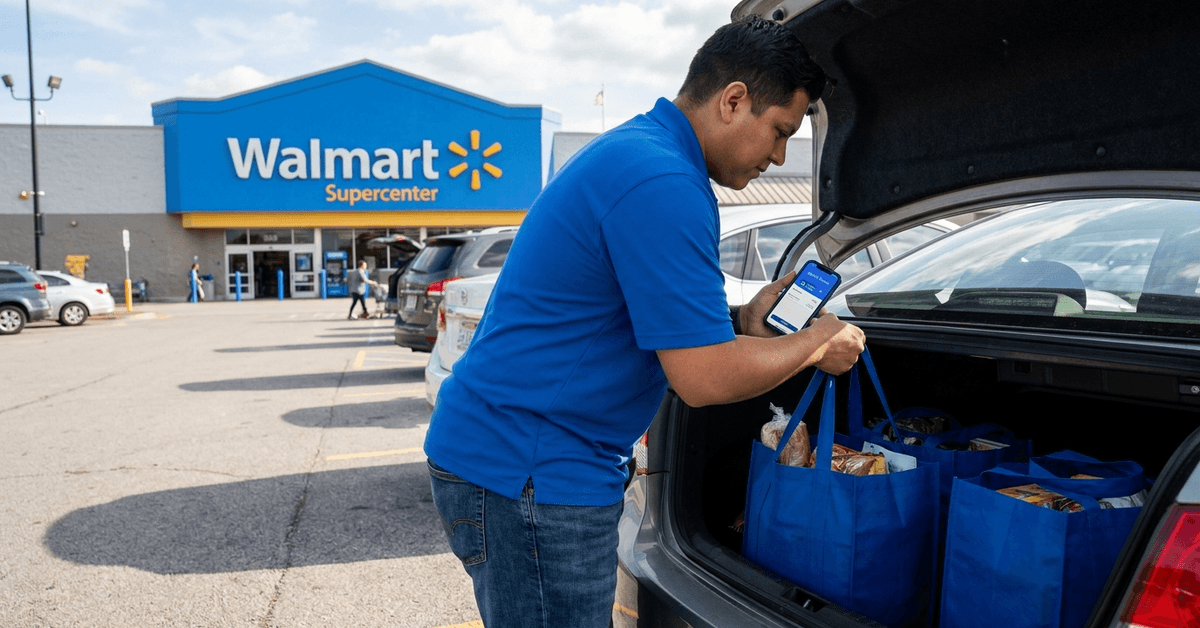
The work is fairly simple in theory: accepting orders via an app, picking them up from a local store, and delivering to the customer. Still, there’s a bit more to it, as is often the case.
Why Choose Flexible Work with Walmart Spark?
Some drivers pick this gig for its flexible scheduling . Others like the idea of extra income without a big commitment. A few might be curious how these gigs stack up compared to driving for other platforms.
Let’s look at a few practical positives.
Work When You Want
One clear advantage: no set hours. Drivers can log in to the Spark app and accept orders based on their availability. Early mornings, late nights, weekend stints—it’s up to the individual.
There isn’t a boss or manager checking if you’re online. For people who value autonomy, that makes a difference.
Earnings Potential
Most Spark Drivers earn per delivery. The rate can vary by region, demand, and order size. Sometimes, incentives are offered for peak times or high-volume days, though these aren't always predictable.
Some users report that tips make up a decent chunk of their overall earnings. There are factors outside anyone’s control, but the system rewards efficiency and strong service.
Low Entry Barrier
It seems, for many, that getting started doesn’t require special skills or advanced qualifications. If you have a functioning car, a valid license, and can pass a background check, that’s mostly what’s needed.
Of course, there’s a bit more paperwork than that, but not much. For gig job seekers, this could be enticing.
Requirements to Become a Spark Driver
Not everyone is eligible right away. There are several baseline requirements to consider before applying to drive for Walmart Spark .
Basic Eligibility Checklist
- Minimum age: 18–21+ depending on state (21 is safest assumption)
- Valid driver’s license (U.S. only)
- Own a dependable, insured car (year/model requirements may vary)
- Pass a background and driving record check
- Own a smartphone (iOS or Android) for app access
For some regions, additional documentation is required. Insurance details and up-to-date registration are almost always checked.
Background Screening
This step typically covers criminal history, driving incidents, and sometimes traffic violations. The process can take anywhere from a day to several weeks depending on local laws and administrative delays.
Applicants should be prepared for minor slowdowns, which seem almost inevitable with gig platforms.
How the Application Process Works?
The application itself involves a few straightforward steps. Still, the journey from signup to first delivery may include some waiting and troubleshooting.
Account Creation
To begin, would-be drivers head to the official Spark Driver website (https://drive4spark.walmart.com) or download the app. The initial form asks for basic information: name, contact info, location, and vehicle details.
Applicants select their preferred service area—usually their home zip code—but some flexibility may help if nearby markets have high demand.
Document Submission
Photos or scans of the driver’s license, car insurance, and vehicle registration are required. It’s best to double-check for clarity to avoid processing delays.
After submitting documents, applicants proceed to background checks. This phase is mostly hands-off; the platform works with external verification partners.
Onboarding and App Setup
Once cleared, drivers are emailed or notified by app. Usually, there’s a brief digital orientation with tips on deliveries, scheduling, and customer communication. The Spark Driver app also includes built-in FAQs and a help center.
At this point, a driver can start accepting assignments as soon as orders become available in their area. Sometimes, though, order volume fluctuates—there’s rarely a guarantee of immediate work.
Typical Workday for a Walmart Spark Driver
It’s easy to picture the work as just pickup and drop-off, but there’s more nuance. Each order type (standard, express, or shopping & delivery) comes with its own dynamics.
Types of Deliveries
- Standard: Pick up packed groceries or goods, deliver to customer
- Express: Quicker turnaround, smaller orders, tighter deadlines
- Shopping & Delivery: Enter the store, shop for items, then deliver
Some drivers prefer one mode over another. The shopping assignments can take longer, but sometimes earn higher pay or tips. Preferences differ; maybe that’s part of what keeps this work interesting for some.
Managing the App
Most work happens within the Spark Driver app. It displays available opportunities, tracks earnings, routes maps, and even lets drivers rate deliveries. App usability is another consideration—everyone’s comfort level varies.
How Much Can Spark Drivers Earn?
Earnings are a top question for any gig-worker. While results differ by location and personal schedules, there’s a general range people reference online.
Per-Order Earnings
Reports suggest typical base pay per completed order ranges from $10 to $20, sometimes higher for Shopping & Delivery. This doesn’t account for tips, which can fluctuate based on customer satisfaction and order size.
Occasionally, incentives for high-demand periods or holidays are added, although not consistently in every market.
Weekly and Monthly Snapshots
If somebody works 15-25 hours a week, they could possibly see anywhere from $200 up to $800 weekly in gross pay. Of course, this doesn’t account for expenses—fuel, car upkeep, taxes, and downtime all play a role.
Actual results differ; there are good weeks and slow weeks. The flexibility is valued, but it comes with trade-offs.
Tips for Success as a Spark Driver
Some drivers learn tricks that suit their market or schedule. Here are a few general suggestions for optimizing the Spark Driver experience.
Prioritize High-Traffic Hours
Peak times—weekend afternoons, pre-dinner hours, and holidays—often generate the most lucrative orders. That said, traffic and competition can rise as well.
Maintain Vehicle Readiness
A reliable car is essential. Keeping up with regular maintenance helps avoid breakdowns and minimizes downtime.
Polish Customer Service Skills
Friendly, clear communication and punctuality stand out to customers. Good reviews typically boost tip prospects and may even affect platform priority for assignments.
Track Expenses and Earnings
Because Spark Drivers are independent contractors, keeping detailed records is likely beneficial—especially at tax time. Many use basic spreadsheets, apps, or even notebooks.
Legal and Tax Considerations
It’s worth reiterating that Spark Drivers are not employees—they’re classified as independent contractors. This status matters for taxes and legal protections.
1099 Tax Responsibilities
All earnings are reported on a 1099 form (not a W-2). Drivers are responsible for calculating, saving, and submitting their own taxes, including both income and self-employment taxes.
Some gig workers are surprised by tax bills after their first year; it’s a good idea (perhaps essential) to set aside a portion of each payout.
Insurance and Liability
Personal vehicle insurance is a must, but it’s wise to check if one’s policy specifically covers business use. Some states require add-on coverage. There’s variation in what “on the clock” insurance protection looks like.
Legal Rights and Protections
Labor laws for independent contractors differ from those for employees. Benefits like paid leave, employer-provided health insurance, or overtime pay aren’t standard for Spark Drivers.
If questions arise, local legal aid or small business resources can help clarify regional differences.
Final Thoughts on Spark Driver
The Walmart Spark Driver program can be useful for people who want flexible side income without fixed working hours. Its value comes from app-based order selection, local delivery demand, tips, and occasional peak-time incentives.
Drivers should remember that fuel, maintenance, insurance, taxes, and slow periods affect real take-home earnings. With smart scheduling and careful expense tracking, Spark Driver can become a practical way to earn extra income.