

If you want a modern roadmap to better offers, this guide to the best job search apps in 2025 shows where serious candidates are winning.
Hiring has shifted toward mobile-first tools, AI-driven matching, and transparent data that enable you to act quickly and confidently.



The right apps now combine discovery, research, and direct messaging so you can move from interest to interview with fewer steps. Read on to see which platforms lead in speed, accuracy, and signal, and how to use each to accelerate outcomes.
All-in-One Job Apps That Cover the Basics
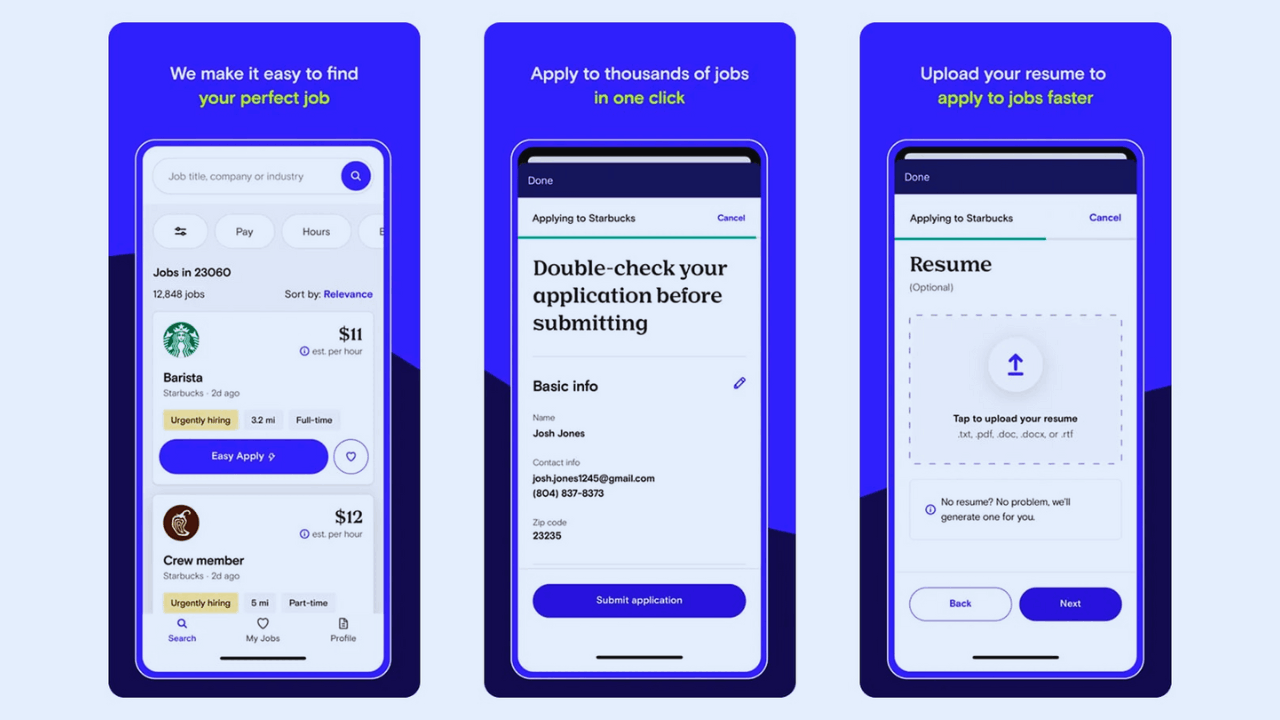
Generalist platforms remain the foundation because they pair large job inventories with powerful search and networking features.
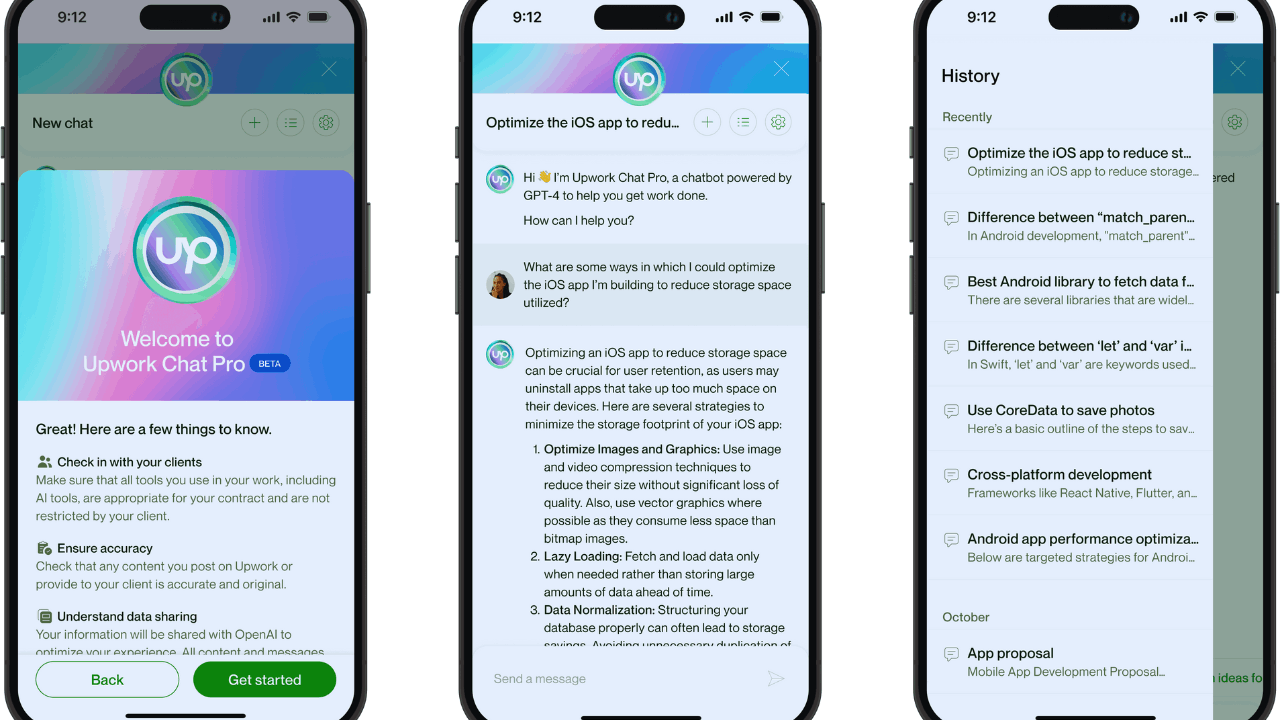
The best of these apps also integrate company intel, alerts, and on-platform messaging to compress timelines.
In 2025, several leaders have introduced AI that interprets your intent in natural language rather than forcing endless filter tweaks. That makes discovery faster and the short list cleaner before you even hit 'apply'.
LinkedIn Jobs: Networking Plus AI-Powered Search
LinkedIn’s app combines job listings with your professional network, transforming contacts and alumni into genuine endorsements for your profile.
The company’s AI-powered job search lets you describe the role you want in plain English and see matching postings without building complex queries.
Mobile alerts, easy-to-use applications, and profile-based screening help maintain momentum when a recruiter views your page. If you rely on warm introductions and credible context, LinkedIn’s integrated network gives you leverage that pure job boards cannot match.
Indeed: Massive Reach With Instant Matching
Indeed’s scale remains a significant advantage, and its matching technology now surfaces candidates and roles proactively on both sides of the market.
Smart sourcing and instant matches connect job criteria with resume data to produce shortlists quickly, which shortens cycles for engaged seekers.
Pair that with resume hosting, salary information, and mobile communication to keep each application moving. When you want fast traction with broad coverage, Indeed remains a reliable first stop.
ZipRecruiter: “Invite to Apply” Speeds Up Interviews
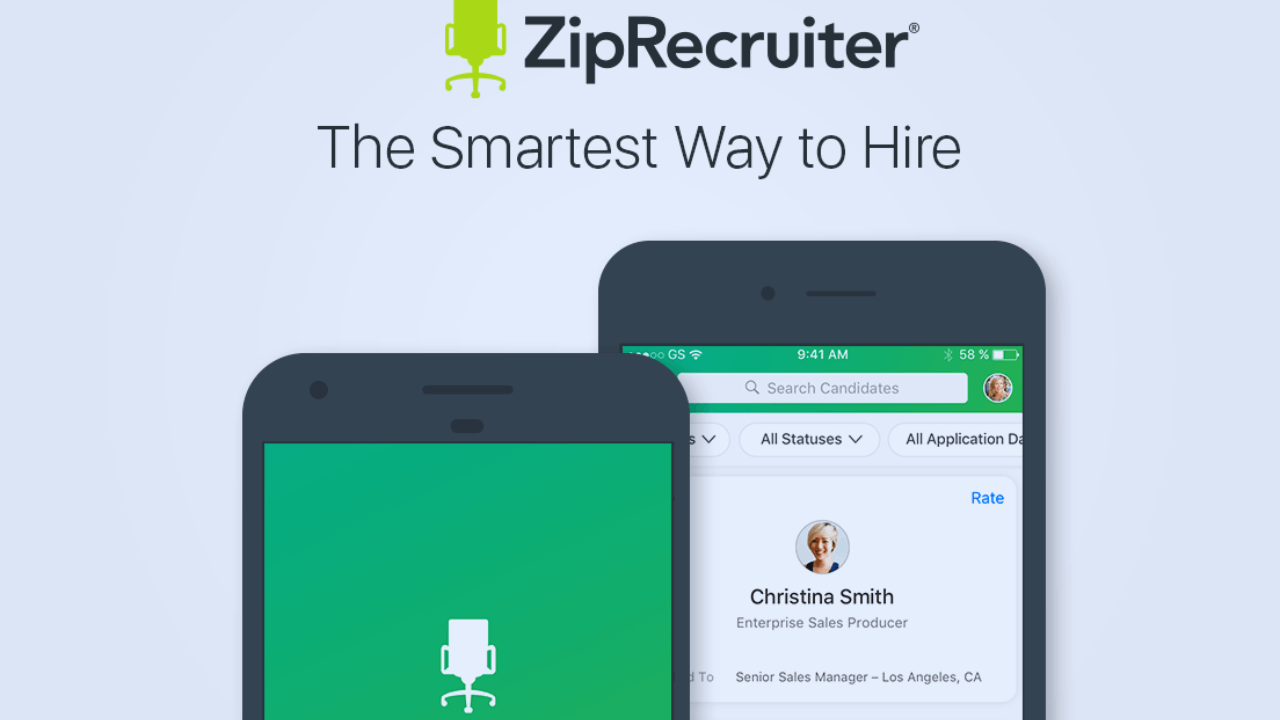
ZipRecruiter’s signature feature enables hiring teams to send personalized invitations to strong matches, increasing response rates and reducing wasted outreach.
The system learns from employer feedback to improve targeting, allowing job seekers to see more relevant invitations over time.
From a candidate’s perspective, an invite is a high-signal lead that often skips the cold-apply queue. If your goal is to prioritize roles where the employer is already interested, this is a practical accelerator.
Glassdoor: Research, Reviews, and Context Before You Apply
Glassdoor’s app brings job search, company reviews, and salary estimates into one interface so you can evaluate fit before investing time.
The platform emphasizes candid employee feedback and aggregated compensation data that help you benchmark expectations.
In 2025, the mobile experience continues to promote real-world insights alongside listings, which is useful when comparing similar offers. Faster decisions follow when you can validate culture and pay early in the process.
Google Search Jobs: Instant Aggregation in Your Pocket
Google’s job interface aggregates listings from employer sites and major boards directly into Search on mobile, with filters for title, location, and modality.
Because it consolidates postings across the web, you quickly spot overlaps and unique roles without opening several apps.
Saved searches and alerts inside Google keep new matches flowing to your phone as soon as they are indexed. It is a fast way to scan the market and discover fresh leads you might miss elsewhere.
Early-Career Apps for Students and New Graduates
If you are launching your career, specialized networks give you verified employers and campus-aligned tools.
The focus here is signal quality rather than sheer volume, which saves time for first-time applicants. These apps often pair job boards with events, virtual fairs, and direct messaging to career centers.
The result is a cleaner experience where recruiters expect early-career profiles and respond accordingly.
Handshake: University-Connected Access With Verified Employers
Handshake partners with universities and career centers to connect students with vetted employers and internships.
The app features virtual events, messaging, and recruiter outreach designed for early-talent pipelines rather than mid-career moves.
Because employers know they are meeting students, response rates and interview conversion tend to improve. For speed to first offer, Handshake is the most direct route from campus to company.
Tech and Startup Job Apps With High Signal
Engineering, product, data, and design roles benefit from marketplaces that emphasize skills, compensation clarity, and startup fit.
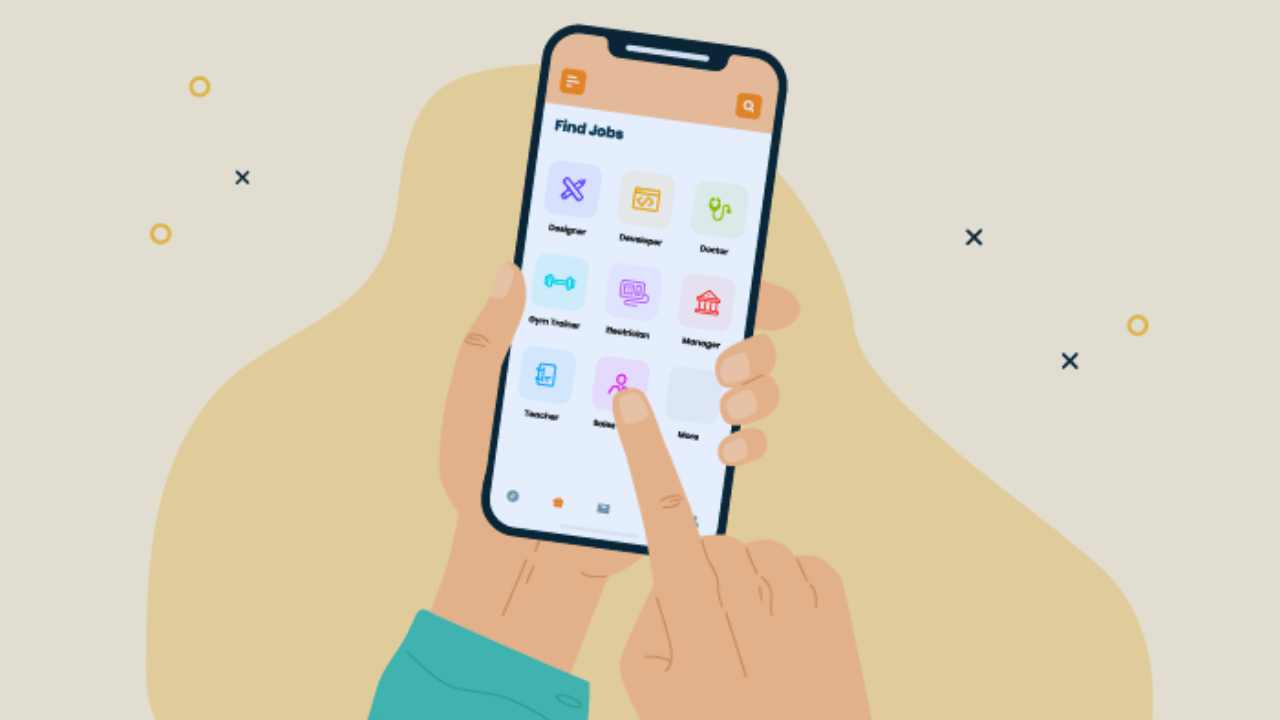
These apps focus on matching and transparency, allowing you to quickly qualify opportunities.
Many also encourage employers to reach out first, which inverts the usual application burden. That structure often leads to fewer touches and faster decisions for specialized talent.
Hired: Curated Matches and Upfront Compensation
Hired operates as a curated marketplace where companies pitch candidates, not the other way around, with stated salary ranges from the start.
The model centers on transparency and targeted matching, helping senior ICs and managers avoid low-fit inbound.
Profile setup requires detail, but the payoff is fewer, better conversations with teams ready to talk numbers. For tech professionals who value efficiency and clarity, this structure streamlines the process to a credible offer.
Wellfound: Startup Roles With Salary and Equity Visibility
Wellfound, formerly AngelList Talent, concentrates on startup jobs with tools for salary and equity disclosure alongside company stage and funding.
Its candidate community and matching tools aim at growth-minded teams that hire quickly when fit appears.
The app supports direct messages with founders and recruiters, shortening the path from interest to interview. If you want early-stage velocity and clean compensation data, Wellfound belongs in your core stack.
Flexible Work Apps for Freelancers and Hourly Roles
Project-based and hourly work require different mechanics than full-time hiring, so dedicated apps offer stronger outcomes.
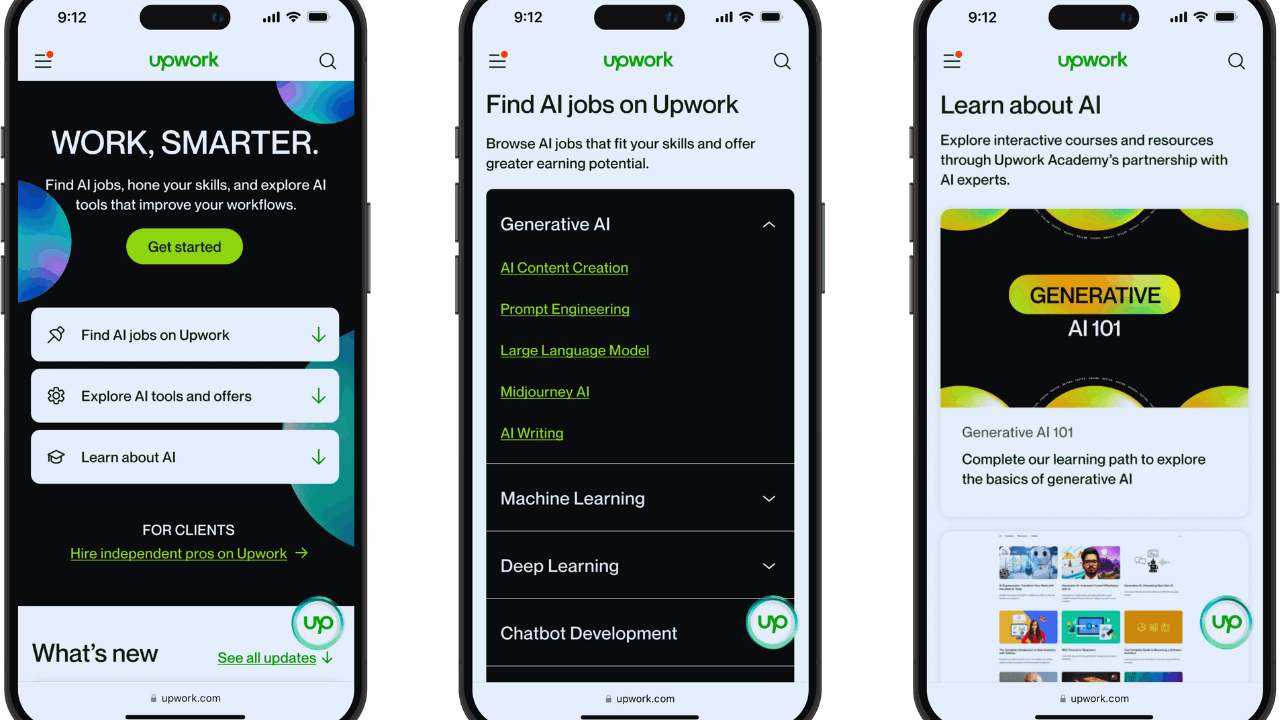
Freelance platforms package contracting tools, messaging, and payments, while hourly apps optimize local discovery and rapid scheduling.
Both categories reward immediacy, profile completeness, and fast responses on mobile. Used well, they create income bridges or long-term pipelines that complement full-time searches.
Upwork: End-to-End Freelance Workflow on Mobile
Upwork’s unified app lets you search projects, submit proposals, chat, and manage milestones entirely on your phone.
Built-in notifications and contract tools remove friction from outreach through payment, which keeps projects moving.
For candidates building a portfolio or testing new industries, this speed matters when stacking engagements. If you need flexible income while interviewing, Upwork’s mobile workflow is a practical advantage.
Snagajob: Fast Local Matches for Hourly Work
Snagajob specializes in hourly and shift-based roles and publishes dedicated iOS and Android apps for on-the-go applications.
The platform emphasizes local discovery, fast applies, and updates that help you move from search to schedule quickly.
Because it is built for hourly roles, you avoid wading through irrelevant salaried listings and focus on immediate openings. When speed to interview is the priority, specialization delivers results.
Why These Job Apps Deliver Faster Opportunities
Speed in 2025 comes from three design choices that these leaders share: AI intent matching, verified or transparent data, and native messaging.
AI reduces keyword guesswork and surfaces roles that fit your skills even when titles vary, which is a common pain point across industries.
Salary and company transparency are cut back and forth by letting both sides align early, a trend strengthened by the expansion of pay disclosure laws and platform features.
In-app messaging and alerts then compress response times, so promising threads do not stall in email.
How Matching and Transparency Reduce Time-to-Interview
Platforms that use proactive matching connect intent with profiles quickly, while curated marketplaces push employers to initiate contact.
That shift raises the quality of your inbound and reduces low-probability applications.
Meanwhile, research layers and compensation fields make your short list more realistic. Together, these mechanics replace trial and error with targeted action, which is at the heart of a faster search.
Conclusion
The strongest results come from mixing breadth and focus, then letting AI, transparency, and messaging do the heavy lifting. Select the combination that aligns with your goals, enables alerts, and responds promptly to convert listings into interviews and offers in less time.