
Fintech vs banks no longer means convenience versus safety; it’s a choice among three lanes, digital-first fintech cards, traditional bank cards, and fast-growing hybrids that blend both.
In India, card issuance surpassed 100 million in 2024 and continued to rise into 2025, signaling broader access to revolving credit and richer reward ecosystems driven by increased competition.


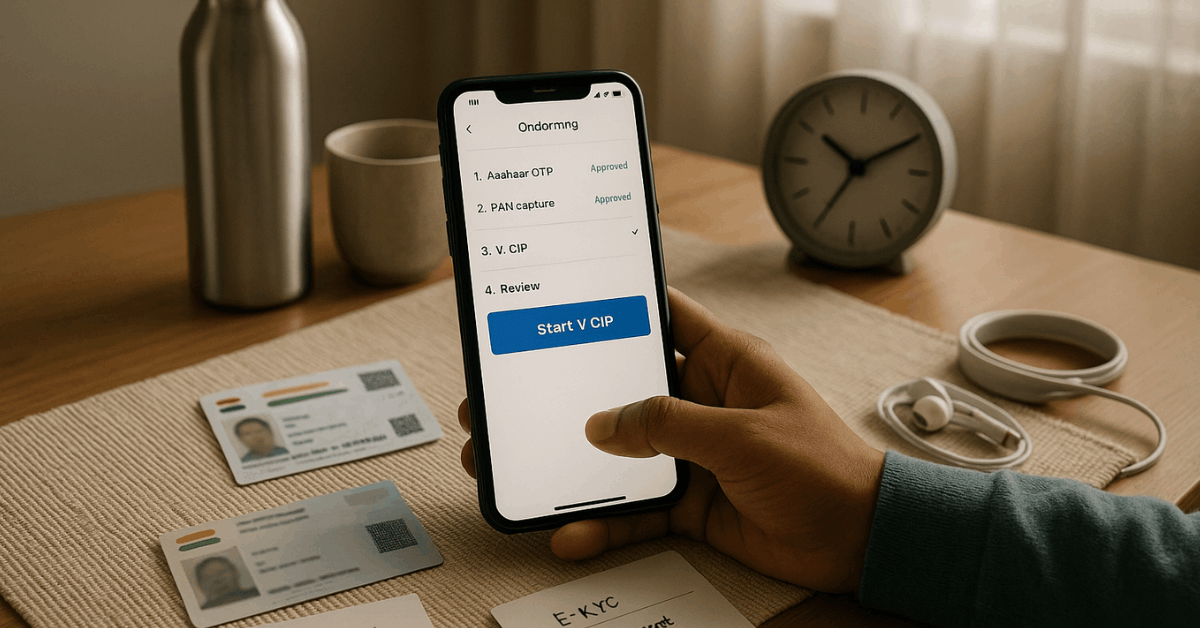
The RBI’s e-KYC and V-CIP frameworks reduced friction, while UPI maintained a firm digital presence for daily spending. Together, these shifts raised expectations for smarter onboarding, better controls, and perks that actually match everyday usage.
The Quick Take
Fintech cards win on speed, app design, granular controls, and new-to-credit inclusivity. Bank cards still lead on trust, global acceptance depth, dispute handling, and mature loyalty platforms.
Hybrid, co-issued products now deliver instant onboarding paired with bank-grade compliance and broader merchant support.
For most users, one of two outcomes tends to prevail: start with digital for access and controls, then transition to bank or hybrid products for richer travel experiences and partner ecosystems.
Where Adoption Stands
India added millions of cards through 2024–2025, reflecting strong demand for app-managed credit and widespread acceptance at point-of-sale and online gateways.
RBI data cited by business media shows more than 10.45 crore cards by July 2024 and above 11 crore by early 2025, confirming scale beyond an early-adopter base. UPI volumes passed 20 billion monthly transactions in August 2025, reinforcing daily digital habits that make card-to-wallet flows commonplace.
Global neobanks also validated the model. Nubank surpassed 100 million customers across Brazil, Mexico, and Colombia in 2024, showing that digital finance at scale can pair growth with solid unit economics.
What Fintech Cards Do Best
Short onboarding, behavioral insights, and modern controls define the fintech edge. This section focuses on the benefits that matter during everyday use.
- Faster Approvals: App-based KYC and video verification compress decisions to minutes for eligible profiles under RBI rules.
- Real-Time Controls: AI-powered spending insights and category budgets help redirect spend toward high-value categories.
- Low Entry Costs: Low or zero joining fees and flexible repayment features suit first-time cardholders building a history.
- Seamless Daily Use: UPI integration for cards and wallet tie-ins keep micro-transactions smooth across billers and merchants.
- Transparent Digital Support: In-app chat, card freeze, split-pay, and instant alerts reduce friction during disputes and travel.
Where Banks Still Win
Legacy issuers retain structural advantages that matter once spend scales. Established risk engines and network alliances support stronger fraud monitoring, wider offline acceptance, and smoother international usage.
Mature loyalty programs bundle travel rewards and airline partners, hotel tie-ups, fuel benefits, and merchant-funded discounts that stretch value for frequent travelers.
Dispute rights are clearer, and processes for chargebacks and credit card payment reversal typically benefit from larger back-office teams and branch support when complex documentation is needed.
Head-To-Head: Everyday Features Comparison
A direct comparison helps frame trade-offs for daily life and travel. Focus here is on onboarding, rewards depth, fees, digital experience, and protection.
Fintech Vs Traditional Banks For Credit Cards
| Feature | Fintech Credit Cards In India | Traditional Bank Credit Cards |
| Onboarding | Instant, app-based KYC and V-CIP | Longer, occasional branch verification |
| Rewards | Tailored, flexible offers via app | Broad merchant networks and brand ecosystems |
| Fees | Low or zero joining fees | Ranges widely, basic to premium tiers |
| Digital Integration | Strong: wallets, UPI integration for cards | Moderate; improving across top banks |
| Trust & Security | Newer players, evolving controls | Bank-grade, regulatory-backed protection |
| Smaller Cities | Targeted acquisition and awareness | Growing footprint; slower in some segments |
Hybrid Models Are Rising
Co-issued and co-branded credit cards merge fintech agility with bank compliance, creating products that feel digital but ride on bank rails. Expect instant digital onboarding, strong app management, and broad offline acceptance.
These cards also streamline limit changes, travel toggles, and cross-border settings through banking-grade APIs while keeping consumer-friendly UX.
Airtel Axis Bank Credit Card: A Working Example
Airtel and Axis Bank show how hybrids compete on daily bills rather than luxury tiers.
Cashback applies to Airtel mobile, broadband, Wi-Fi, and DTH paid via the Airtel Thanks app, alongside utility and select partner categories, then a base rate elsewhere.
Terms govern where cashback counts, utility spends outside the Airtel Thanks app don’t qualify, so category placement matters for returns. Management sits cleanly inside a mainstream app while benefits ride on Axis Bank’s network acceptance and risk controls.
Consumer Journey: Digital Credit Cards Vs Bank Cards
Choosing among digital credit cards vs bank cards becomes clearer when the end-to-end journey is mapped. Three moments drive most satisfaction: getting approved, using the card daily, and solving problems quickly when something goes wrong.
Application Process
Fintech apps typically gather data through app-based KYC, V-CIP, and bureau pulls, then decide quickly for eligible profiles.
Bank workflows may include in-person verification for some instances, which extends turnaround but can strengthen documentation when income or address checks need more proof.
Usage
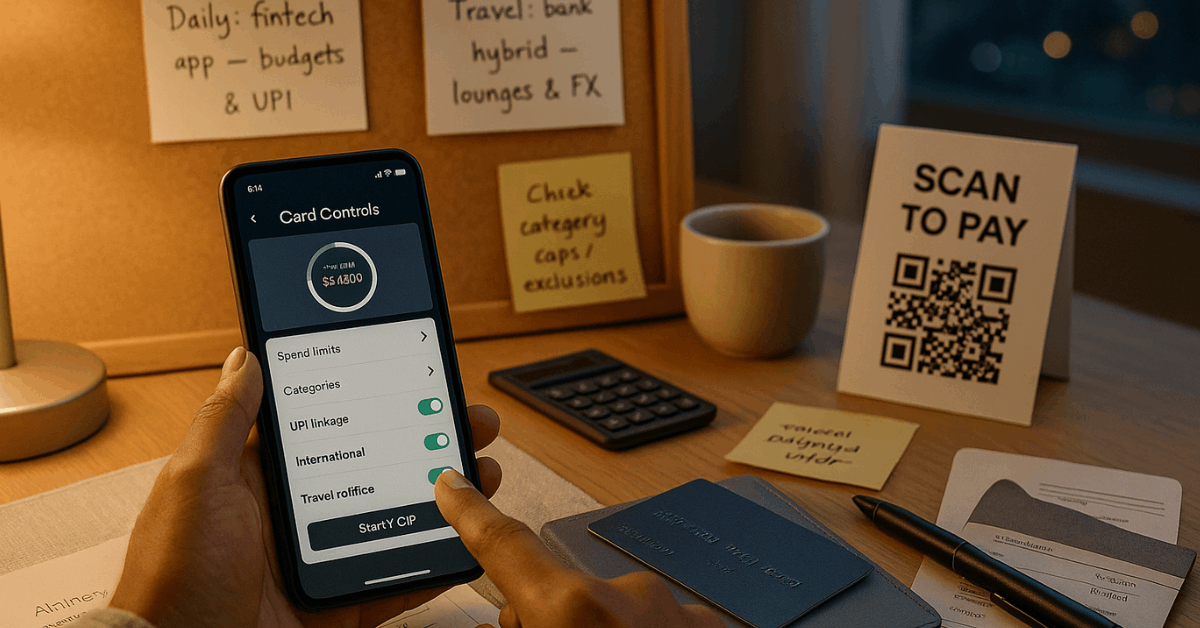
Mobile-first controls, AI-powered spending insights, instant category tracking, and UPI-linked routines support micro-spend and recurring bills.
Bank cards offer a stronger offline reach, international acceptance, and richer redemption catalogs as monthly spend and travel increase.
Support
App chat and automated flows resolve routine issues quickly on digital products.
Bank service layers, branches, call centers, and relationship teams remain useful for complex disputes, documentation, insurance claims, or credit card payment reversal involving multiple parties.
Which Lane Fits Best?
First-time or thin-file users often gain faster access and better spend awareness on fintech credit cards in India.
Frequent flyers, premium diners, and heavy online shoppers usually extract more value from bank ecosystems featuring travel rewards and airline partners and deeper merchant networks.
Hybrids work well when immediate digital controls and broad acceptance must coexist in a single card.
FAQs
Quick answers to common questions on fintech cards and compensation strategy.
- Q1. What makes fintech credit cards popular now?
Instant approvals, AI-powered spending insights, and strong app controls deliver visible utility during the first month of use. - Q2. How do digital cards and bank cards differ most?
Digital products emphasize speed, budgets, and in-app tools; bank cards emphasize acceptance depth, protections, and mature earn-and-burn ecosystems. - Q3. Are fintech cards safe to use in India?
Issuers operate under RBI’s KYC and authentication frameworks, including Aadhaar-OTP e-KYC and V-CIP, plus network-level 2FA and OTP rails. - Q4. Do banks offer better rewards?
Large issuers aggregate merchant funding at scale and run expansive catalogs and travel rewards and airline partners, which often out-earn simplified fintech schemes at higher spending bands. - Q5. What’s the smart mistake to avoid?
Focusing only on headline rewards while ignoring APRs, fee waivers, category caps, and exclusions—especially where utility payments or wallet loads don’t qualify for cashback.
Conclusion
Competition between fintech and banks improved access, personalization, and value, but no single lane wins for everyone.
Daily app convenience favors fintech; deep acceptance, dispute handling, and partner ecosystems favor banks; hybrids now bridge that gap for many users.
A simple rule works in 2025: match approval ease and controls to current needs, then graduate toward richer partner ecosystems as spending grows and travel resumes.