

Travel insurance seems like a simple topic, but it isn’t always that clear-cut, especially in 2026. Post Office Travel Insurance is a familiar option for many UK travelers. But is it really the best fit these days?
For people asking whether Post Office Travel Insurance is worth it in 2026, this guide takes an honest, thorough look at what’s included—and what’s not.


Whether you’re budgeting for your first big holiday or comparing policies as a regular traveler, you’ll find helpful info here.
Why Post Office Travel Insurance Stays Popular in 2026
Some brands stick around because they evolve with people’s needs. Post Office Travel Insurance is still popular because it’s well-known, accessible, and broadly covers major travel risks. In 2026, the policy lineup looks familiar, but are these offerings really the most practical?
Widespread Recognition and Trust
Let’s be honest, many prefer the comfort of a recognizable name. With the Post Office, there’s peace of mind from a familiar brand—at least on the surface.
That trust, however, may sometimes overshadow the finer details that make or break a travel cover decision.

Range of Travel Policy Options
Single trip, annual multi-trip, and backpacker policies—they’re all part of the standard lineup. This range gives a certain appeal to both occasional tourists and those travelling for work. But, perhaps, too much choice can become overwhelming.
Convenience in Purchase and Claims
Buying a policy remains straightforward. In 2026, it’s still possible to get travel insurance online, by phone, or at a physical branch.
For some, that physical presence provides reassurance, though more travelers are opting for digital processes nowadays.
What Does Post Office Travel Insurance Cover?
Coverage in 2026 isn’t drastically different from previous years, but reading the policy fine print always helps. Here’s what typical Post Office Travel Insurance includes, although not every situation is covered:
- Emergency medical expenses: Covers costs if you’re injured or ill abroad, with some limits.
- Cancellation and curtailment: Reimbursement for trips cut short or cancelled for specific reasons.
- Lost or delayed baggage: Compensation for lost, stolen, or delayed luggage. Still, conditions apply.
- Personal liability: Protection if you’re responsible for accidental damage or injury.
- Personal accident cover: Lump sums for serious injury, though amounts may vary.
Optional add-ons exist for things like winter sports, gadgets, or cruise holidays. Yet, it’s often easy to overlook what isn’t included, and exclusions seem to be common pain points.
Does Post Office Travel Insurance Offer Good Value?
Value isn’t just about price. For many, it’s a question of whether you’d actually get the support you need if something goes wrong. In 2026, the policy cost remains competitive for many—but let’s talk about what really counts.
Premium Costs Compared to Alternatives
Several price comparison sites show that Post Office premiums are mid-range—not the cheapest, not the most expensive.
Sometimes, extra cover is possible without a big jump in price. Other times, more affordable policies exist, especially through digital-only providers. A quick quote check never hurts, at least in my experience.
Level of Cover Versus Need
It sounds simple, but having too much or too little cover is common. For a basic beach holiday, the standard cover might seem generous enough.
For specialist or long-term travel, though, you might have to build your own package from multiple add-ons, which can drive up the price.
Service and Claims Reputation
Nothing undermines travel insurance like a slow claim process. Reviews about the Post Office’s claims handling are generally positive, but, just like with most providers, a few negative experiences slip in—some mention long response times, others cite payout disputes.
Where Post Office Travel Insurance Falls Short in 2026
No brand gets it all right. Post Office Travel Insurance, being one of the larger players, is no exception. Here are some reasons travelers sometimes look elsewhere in 2026:
- Pre-existing conditions: Coverage can be limited or expensive for medical histories.
- Activity exclusions: Certain adventure sports or high-risk activities are often excluded unless you pay extra.
- Gadget limits: Coverage for phones, tablets, and laptops isn’t always included and often has fairly low limits unless upgraded.
- Changing travel risks: Unexpected events (like public health emergencies) may not be clearly covered under base policies, requiring careful reading of new clauses.
Alternatives to Post Office Travel Insurance
Competition has grown over the years. In 2026, plenty of direct competitors and digital-first insurtechs offer travel insurance options to UK residents. Shouldn’t all travelers at least glance at a few other brands before deciding?
Other Major UK Providers
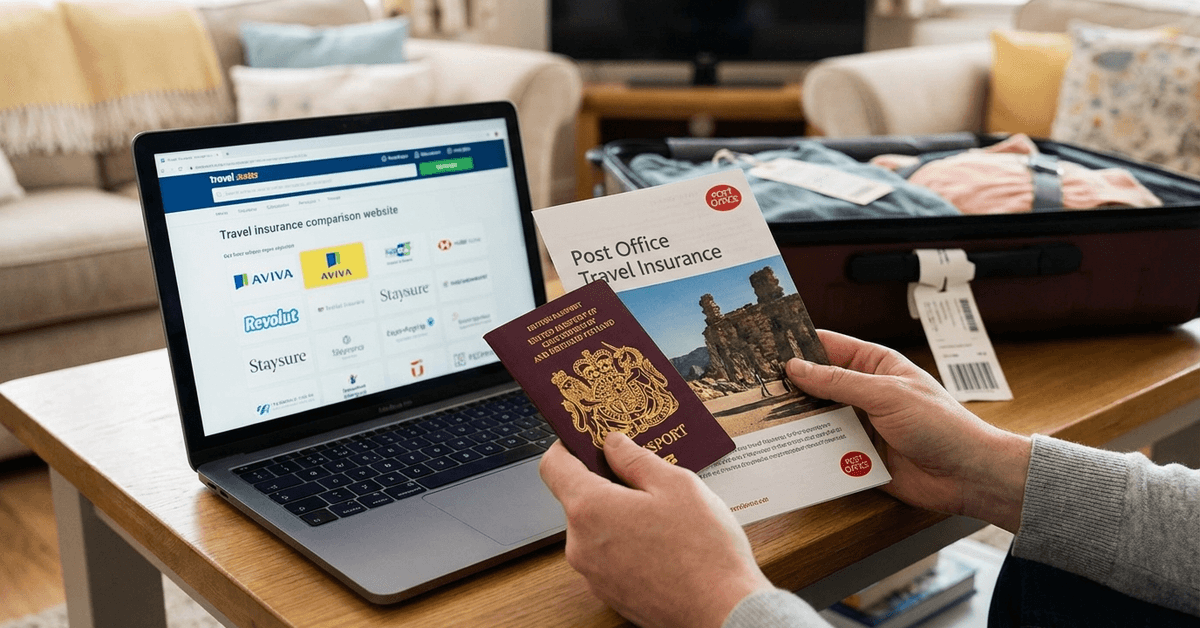
Brands such as Aviva, Direct Line, and Staysure frequently appear on comparison sites. Each comes with its quirks—where one excels at budget trips, another might support more adventurous travel.
Insurtech and Digital-Only Providers
Companies like Revolut and Cuvva provide easy, app-based travel insurance. For people who want ultra-fast claims or dynamic pricing, these providers seem to be setting new standards. Some even let you buy cover on the go, mid-travel.
Specialist Policies
If you’re an adventurous traveller or planning a winter sports holiday, some providers specialise in niche protection—Snowcard and Columbus Direct come to mind. These often have higher premiums but fewer exclusions where it counts.
Key Steps Before Choosing Any Travel Insurance in 2026
- Check your needs: Do you need single trip, annual, or long-stay cover? What are you planning to do on your trip?
- Review medical cover details: Some policies look generous until you read the fine print on excesses and pre-existing condition exclusions.
- Compare claim reputations: It’s not just about price. Independent review sites and consumer forums reveal real experiences with payouts, delays, and support teams.
- Look at exclusions: Always check what’s not covered, focusing on cancellation triggers, valuables, and activities.
- Consider value, not only cost: The cheapest policy sometimes comes with the most frustration when something actually happens.
FAQs About Post Office Travel Insurance in 2026
Is COVID-19 still covered as standard in 2026?
Post-pandemic, many policies have some form of infectious disease cover. The Post Office includes emergency medical treatment caused by COVID-19 but may limit cancellation or quarantine claims. It pays to check the latest policy wordings—it can change year to year.
Can you get instant cover online?
Yes, the Post Office and most competitors let you buy and get proof of cover in minutes. If you start your journey before buying, though, you might run into denial of cover for pre-existing events.
Are gadgets automatically covered?
Gadget cover is not always standard. Basic plans have low limits for electronics. A specialist add-on or standalone policy is worth considering if you travel with expensive devices.
What’s the maximum trip length?
With annual multi-trip policies, the Post Office typically limits you to 31 days per trip (sometimes 60, for upgrades). Longer travels usually require a backpacker or long-stay policy, with a different price structure.
Is Post Office Travel Insurance ‘Worth It’ in 2026?
No one-size-fits-all answer exists. For many UK travelers, especially those wanting a straightforward claim process backed by a major brand, it remains a reasonable choice.
If you have very specific travel plans or want features like strong gadget cover or instant digital service, exploring niche or insurtech policies may make more sense.
The real value, maybe, isn’t in any single feature—but in how well a policy matches your actual travel life in 2026.
Final Thoughts
Post Office Travel Insurance can still be a solid option for UK travelers who want familiar branding and broad standard cover. Its value depends on your trip type, medical needs, and whether the exclusions fit your plans.
For more specialised travel or stronger gadget and digital service features, other providers may be a better match. Comparing cover details carefully is the best way to decide if it is truly worth it in 2026.