

Understanding the ins and outs of PCP claims in 2026 has become increasingly important for anyone with a car finance agreement.
For drivers, knowing when, how, and why to submit a claim might lead to possible financial redress. The conversation has grown, and more people are considering whether their agreement meets fairness standards.



If you’re uncertain, or just want a clearer picture of what’s involved, this guide covers the key PCP claim deadlines, common pitfalls, and vital tips.
The goal here is to help consumers—particularly those on Personal Contract Purchase (PCP) agreements—feel more informed about their rights and timelines, without the legal jargon getting in the way.
What Are PCP Claims, and Why Do Deadlines Matter?
Personal Contract Purchase (PCP) deals have changed how people finance cars in the UK and Europe. Instead of owning the car, you pay lower monthly payments and keep it for a fixed term, with options at the end.
But not everyone has been given the fairest deals, and some might not have understood the total cost.
In some cases, mis-selling might have occurred, especially if important details were glossed over. That’s where PCP claims come into play.
For anyone considering a claim, deadlines become crucial. They define eligibility. Missing a key date might mean losing the chance to act altogether.
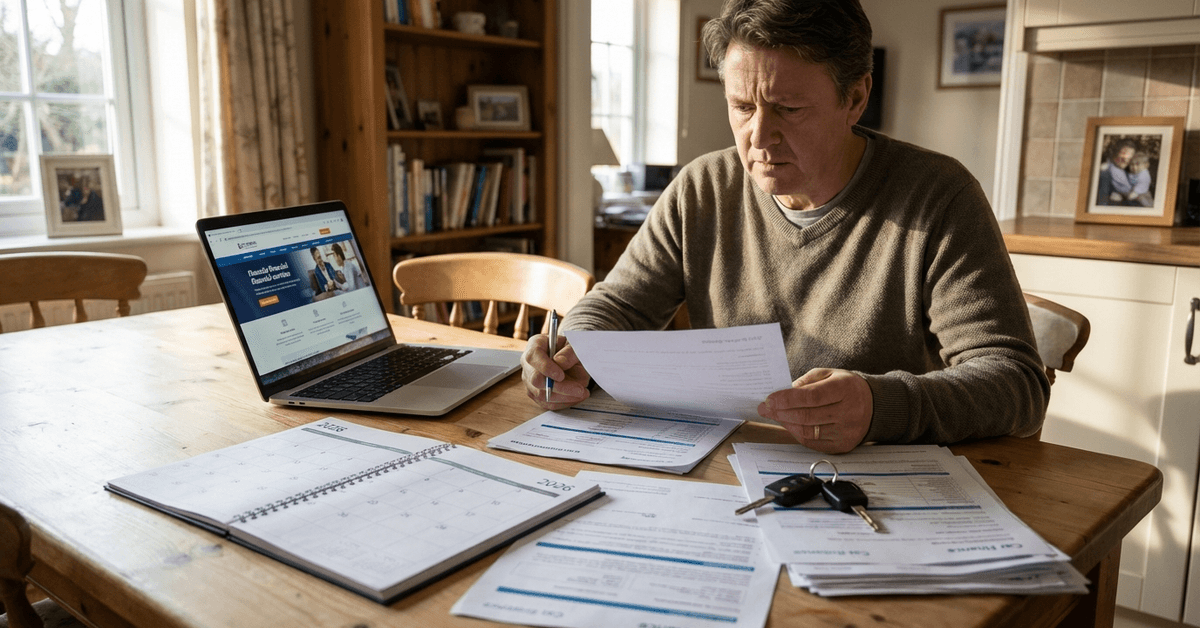
Why Are PCP Claims Important for Car Owners in 2026?
The issues with old car finance agreements haven’t disappeared. For contracts due to finish in 2026 or those signed in recent years, the same questions apply: Was the product fair?
Was enough information provided? The potential for a successful PCP claim remains—if you know the deadlines and the exact grounds for complaint.
But, of course, it’s not always straightforward. The fairness of a deal can depend on how the agreement was presented or even the market context at the time. Those uncertainties make knowledge and timing equally important.
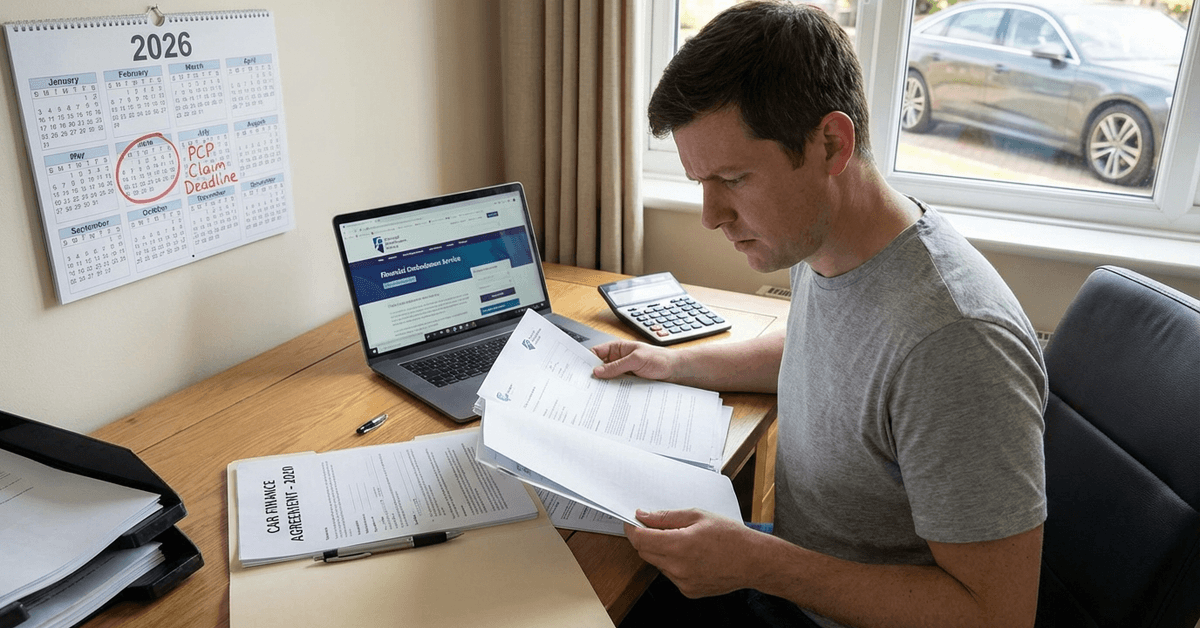
How PCP Claims Work: A Quick Overview?
Before tackling the deadlines, it helps to know how the claims process works in 2026:
- Eligibility : Agreement must be a PCP contract, typically used for car purchases.
- Mis-selling concerns : Often based on claims that fees, balloon payments, or interest rates weren’t transparent or fair.
- Submission : Usually handled via a formal letter or online platform, sometimes with the help of a consumer rights organization.
- Investigation : The finance provider investigates, but decisions might be escalated to the Financial Ombudsman if consumers are dissatisfied.
2026 PCP Claim Deadlines: What to Watch For
This is the heart of the issue. There isn’t a single date for all PCP claims; instead, several important timelines matter, depending on your contract and situation. Missing one could end a claim before it starts.
The Typical Six-Year Rule
In most cases, those on a PCP agreement have up to six years from the date the contract was signed to initiate a claim. So, for a deal signed in January 2020, the standard window would close in January 2026.
Yet, things can be more complex. If you’ve only recently discovered the issue, another timeframe applies.
The "Date of Awareness" Exception
What if the unfairness wasn’t clear until much later? Well, under UK law, a secondary “date of awareness” window can sometimes be used.
This provides up to three years from the point a borrower ought reasonably to have known about the problem. But this isn’t automatic, and providers might dispute when the awareness truly happened.
PCP End-of-Term: Final Payment and Claim Timing
The end of a PCP contract isn’t always the end of your rights. If someone feels pressured to pay more than expected or unclear charges emerge, there may still be a claim—even if the agreement itself started years before. However, all claims typically must fit within the stricter of the two time limits above.
Key Dates for PCP Claims in 2026
Some deadlines might affect larger groups of consumers in 2026:
- End of six-year claim window for PCP agreements signed in 2020.
- Possible open/closure of group litigation orders relating to widely mis-sold PCP finance deals (check trusted consumer rights websites for updates).
- Regulatory review periods —the Financial Conduct Authority (FCA) often sets key reporting dates for providers, which could spark batch reviews or settlement offers.
PCP Claim Process: Timeline and What to Expect in 2026
Though each case is a bit different, most follow a similar series of steps. Here’s a structure that helps clarify what might unfold for a 2026 claim:
- Submit an initial complaint to the finance provider—online or by mail.
- Provider investigates, responds within eight weeks (though, sometimes delays happen).
- If rejected, the consumer can escalate to the Financial Ombudsman Service, typically within six months of the response letter.
- The Ombudsman reviews evidence and makes a final, binding decision, usually within a few months—though backlogs may slow things down.
- If a payout or adjustment is awarded, the finance provider must carry it out promptly.
Common Pitfalls to Avoid with PCP Claim Deadlines
- Assuming "date of awareness" always extends your deadline—providers may challenge this.
- Forgetting when your agreement started; small differences could make a claim ineligible.
- Not keeping records of all contract paperwork, emails, or phone calls.
- Missing the six-month window to go to the Financial Ombudsman after a provider response.
Tips and Best Practices for Submitting PCP Claims in 2026
- Read your contract and any subsequent communications carefully. Sometimes, the issue is buried in the fine print—you might even spot something you missed earlier.
- Save all paperwork and correspondence as evidence. This especially helps with date verification if "awareness" becomes a point of debate.
- Monitor reputable consumer advocacy groups. They often offer guides or template letters, and update the public if mass claims or regulatory changes emerge.
- Act sooner rather than later. It’s surprisingly easy to lose track of time with multi-year agreements.
- Seek professional advice if unsure. Sometimes, questions of unfairness are not obvious. A consumer rights lawyer or ombudsman helpline can clarify details without the risk of missing a deadline.
Legal and Tax Considerations for PCP Claims in 2026
Though most PCP claims focus on the contract’s terms or mis-selling, a few legal and tax issues may crop up:
- If you win compensation, it’s usually not taxable, but seek advice if you receive interest payments on top of the main figure.
- If a claim is ongoing while you’re still making payments, ensure you avoid arrears—claims aren’t a reason to cease payment unless advised differently by your provider.
- For business contract holders, tax treatment may vary. Check with a qualified accountant or HMRC for details.
Final Thoughts
PCP claim deadlines in 2026 can make a major difference to whether a complaint is still valid. Understanding both the six-year rule and the date-of-awareness exception can help you act at the right time.
Good records and early action often make the process easier to manage and support. If anything about your agreement seems unfair or unclear, it is worth reviewing your options before the deadline passes.