

Finding the right platform depends on what matters most: reach, networking, or resume sourcing. Indeed vs LinkedIn vs Monster has these advantages, but what would be the best for you?
Indeed delivers unmatched listing volume across geographies; LinkedIn powers relationship-driven searches and brand-building; Monster historically offered a robust resume database but is undergoing major restructuring in 2025.



Facts below reflect current status and what it means for everyday searches and hiring.
Quick Verdict
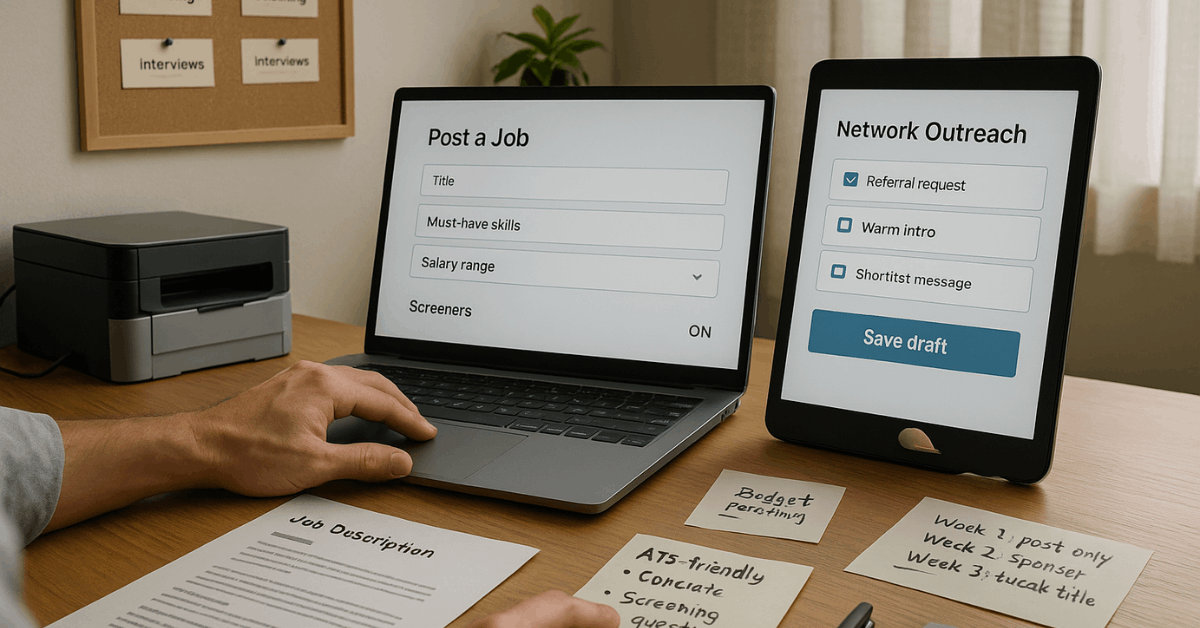
Breadth and speed favor Indeed when a wide net is essential and filtering will handle volume. Relationship-led searches, warm introductions, and reputation signals favor LinkedIn, especially for specialized, white-collar roles.
Monster can still help where resume database outreach fits your workflow, though bankruptcy proceedings and asset sales in 2025 mean tools and service levels may change by market and plan.
A blended approach usually wins: source widely on Indeed, nurture relationships on LinkedIn, and tap Monster’s resume tools where available.
How Each Platform Works
Short intros clarify scope and current capabilities, including any 2025 changes that could affect results.
Indeed
A global job search engine operating in 60+ countries, Indeed aggregates listings from employer sites, staffing firms, and job boards, then layers company reviews and salary insights.
Built-in employer tools handle screening and interview scheduling, and most markets still allow free job posts alongside optional sponsorship for visibility.
Past “pay-per-application pricing” ended in December 2023, so budgeting now centers on free posts and sponsored jobs.
The world’s largest professional network connects roles, people, and content, letting recruiters source directly while candidates showcase skills, endorsements, and activity.
A free job slot exists with limited reach; promoted posts run on flexible budgets, and matching surfaces “top candidate” signals based on profile alignment.
Networking, referrals, and company research happen in the same place, which shortens cycles for niche or senior searches.
Monster
A long-running job board known for its resume search and employer tools.
In June–July 2025, the merged CareerBuilder + Monster entity filed Chapter 11 and is selling assets through a court-approved process; the core job board has been sold to Bold Holdings, with service continuity expected during transition.
Resume database and ATS integrations remain marketed, but buyers should confirm current availability and support in their region.
Side-By-Side Comparison
Short differences help align tool choice to search goals. Data reflects official product pages and 2025 developments.
| Dimension | Indeed | Monster | |
| Best For | Broad reach and fast inbound volume. | Networking-led sourcing and warm referrals. | Direct outreach via Monster resume database where available. |
| Standout Features | Free posts, sponsorship, company reviews, interview scheduling. | Member graph, referrals, “top candidate” signals, company pages. | Resume search, ATS integrations; services in transition post-bankruptcy. |
| Geographic Reach | Operates in 60+ countries. | 1+ billion members across 200+ countries. | Historically global; ownership and availability currently evolving. |
| Employer Pricing Notes | Free posts plus sponsorship; pay-per-application pricing discontinued 2023-12-18. | One free job at a time; promoted posts priced PPC/CPM with flexible budgets. | Subscription tiers for posting and resume access; confirm terms amid restructuring. |
| Extras For Candidates | Company reviews and salary information aid decisions. | Content, groups, and messaging expand professional networking for jobs. | Career resources and resume tools; verify current scope. |
Pros And Cons For Different Use Cases
Choosing a single site often leaves value unused. Match each platform to the moment, high-volume sourcing, referral-first hiring, or resume outreach, then combine them inside a simple weekly routine.
Job Seekers
Casting a wider net on Indeed captures volume, then company reviews and salary data refine choices before applying. LinkedIn lifts visibility through a complete profile, skills and keywords aligned to target roles, and a simple posting cadence that nudges algorithm reach.
Regular comments on industry threads, short project spotlights, and warm introductions convert passive interest into recruiter outreach and surface hidden roles.
Monster remains viable where its listings and resume tools stay active; verify current coverage and local employer usage in 2025 to avoid dead ends and redirect effort to higher-yield channels.
Recruiters And Small Businesses
Inbound speed typically starts on Indeed, using sponsorship to lift qualified impressions after free post traction levels off.
LinkedIn excels at targeted outreach and employer branding, which improves response rates for specialized roles. Monster’s database can supplement outreach, though contract terms, support, and integrations should be confirmed given recent asset sales.
Practical Tips To Get Better Results
Small, repeatable improvements compound across platforms; apply once, then reuse continuously.
- Write ATS-Friendly Job Postings: Mirror required skills, concrete outcomes, and screening criteria so parsing stays clean and rankings improve. Include must-have certifications, tech stacks, and location terms, then keep bullets parallel to raise skim speed and reduce unqualified clicks.
- Allocate Spend Where It Moves The Needle: Compare LinkedIn Premium versus Indeed Sponsored Jobs when budgets are tight; Premium unlocks InMail and deeper search filters for proactive outreach, while sponsorship lifts visibility on high-intent searches. Track cost per qualified applicant and cost per interview to avoid paying for impressions that never convert.
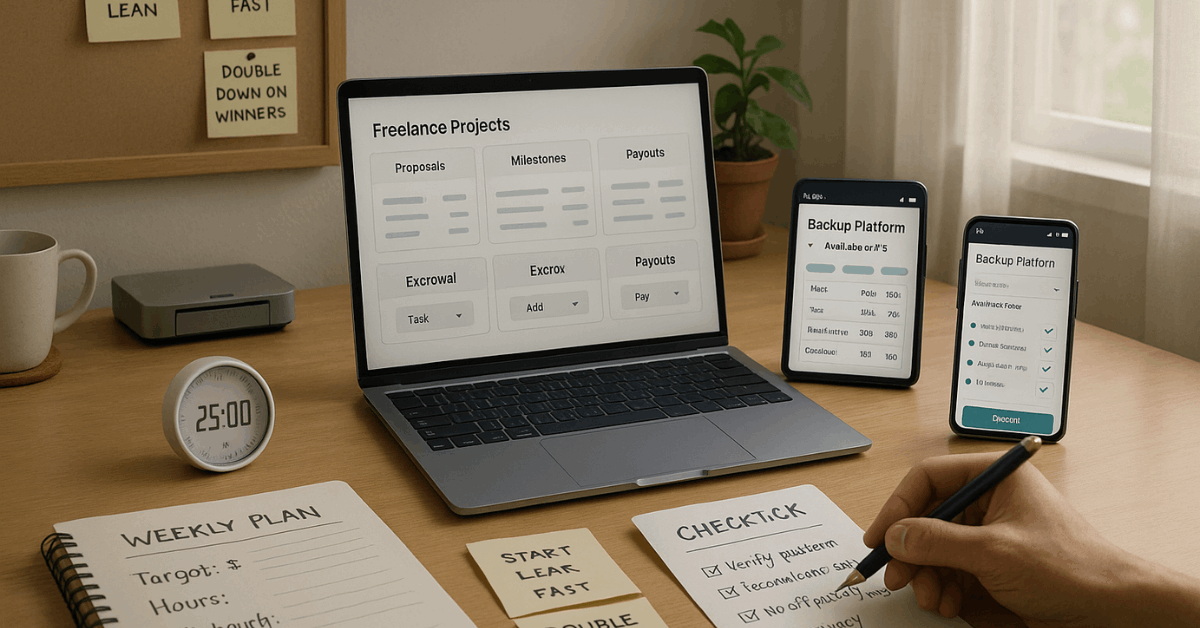
- Test Like A Job Board Comparison: Change one lever per week—ad title, salary range display, benefits line, or screener questions—and hold everything else constant. Judge success on applicant quality, interview pass-through rate, and time-to-first-qualified, not raw click volume.
- Pre-Filter Targets Using Reviews And Pay Data: Use company reviews and salary ranges early to aim at teams with healthy cultures and realistic pay bands. Fewer misaligned conversations save days and prevent late-stage rejections over comp or expectations.
- Add A Second Channel For Resilience: Run a dual-track approach on longer searches: Indeed provides scale among global job search platforms, LinkedIn adds referral velocity and warm introductions, and Monster augments resume sourcing where legacy contracts remain active. Rotate attention based on which source yields interviews inside fourteen days.
Conclusion
Generalists, high-volume roles, and multi-location hiring tilt toward Indeed for scale and speed. Relationship-dependent roles, industry clusters, and executive or specialist searches lean toward LinkedIn for targeting, referrals, and brand signals.
Monster can still play a role where resume search is central, but confirm post-bankruptcy terms, tool availability, and support before relying on it in critical timelines.
The strongest mix pairs Indeed’s reach with LinkedIn’s network, then layers Monster where its resume outreach adds incremental qualified conversations.