

Have you ever wondered if using a comparison website like Moneysupermarket really saves you money, or is it better to buy insurance and other financial products directly from providers?
This article explores that exact question, helping UK consumers understand the possible benefits—and drawbacks—of both approaches.



Anyone considering home, car, or travel insurance, or looking for new energy or broadband deals, might find the differences between comparison sites and direct applications surprisingly nuanced.
Here’s what you’ll learn: how comparison websites operate, their possible advantages, what you might miss by skipping them, and the realities of going direct.
The goal is to offer information you can reflect on, so you can choose the approach that feels right for you—not just the one that sounds best on paper.
What Are Comparison Sites Like Moneysupermarket?
Comparison sites have become a familiar part of everyday life in the UK. By bringing together deals from dozens—sometimes hundreds—of providers, these platforms claim to save people time and money. But what is really happening behind the scenes?
How Moneysupermarket Works?
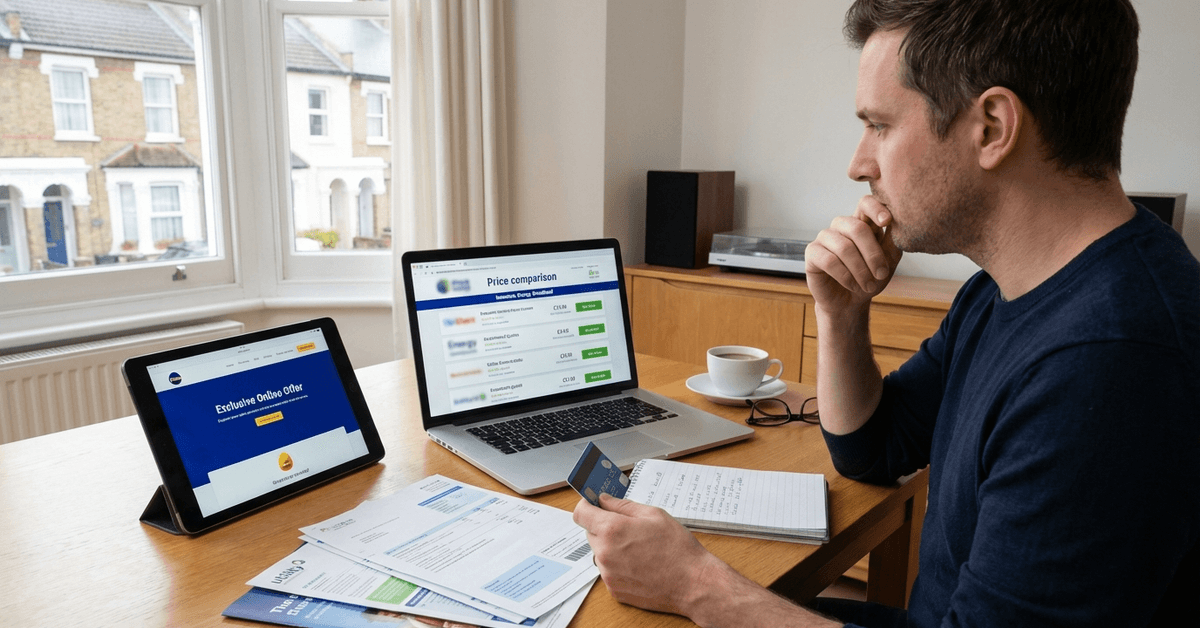
At its core, MoneySuperMarket acts as an aggregator. After you enter your details, it collects offers from a wide network of partners. The results are then ranked based on whatever factor the user chooses, like price or coverage.
Where They Get Data and Revenue?
Most comparison sites earn a commission for every customer they refer, not from the end user but usually from the insurer, bank, or utility.
Some financial products, however, might offer the site a higher commission than others, possibly influencing what is shown or recommended.
It’s worth noting—not every single brand is on every site, and some exclusive deals aren’t shown on comparison platforms at all.

The Key Advantages of Using Moneysupermarket
The most obvious gain people notice right away is convenience. With just a few clicks, users see a wide snapshot of the market.
But there are a few other positives worth considering if you value time, variety, and the ease of comparison.
Time Savings
Browsing every provider manually—checking websites, filling out quote forms, dealing with call centers—takes hours.
With a comparison platform, much of that legwork is automated. It can sometimes take 10 minutes or less to get dozens of quotes.
Clear Comparisons
Individual provider sites sometimes make it tricky to compare features and exclusions. Moneysupermarket tries to standardize the main terms, displaying side-by-side the premiums, excesses, and unique extras. At least in theory, you get fewer surprises.
Access to Special Offers
Sometimes comparison sites partner with insurers for deals only available through their platform. It’s not guaranteed, but there are cases where cashback, vouchers, or price matching incentives make the overall price slightly lower than the provider offers directly.
Limitations and Drawbacks of Comparison Websites
No single approach is perfect. Perhaps the biggest assumption is that comparison sites always find the ‘cheapest’ or ‘best’ deal—something that’s rarely true for everyone.
Some Providers Remain Absent
Certain well-known banks or insurers prefer not to appear on aggregators. They may feel the commission paid on each customer is too steep, or they want to promote exclusive offers.
So when you use a site like Moneysupermarket, there’s a chance you won’t see every possible choice.
Policy Details and Fine Print
It’s tempting to focus on price, but products can be structured differently. Even if comparison tables present the basics, specialized policy features and hidden exclusions can be missed—especially on complex agreements like travel or health insurance.
Personalized Pricing Gaps
Some providers only give their absolute best rate to customers who apply directly—this isn’t always obvious at first glance.
Occasionally, going direct and haggling (or just asking the right questions) might land a better bespoke price. Not everyone enjoys negotiating, of course.
Going Direct: What Could Be Different?
It does seem appealing on paper—cut out the middleman, and perhaps pay less. But is it really the case?
Direct applications can feel more personal, and some claim additional perks are hidden from the aggregator view.
Potential for Extra Discounts
When you visit an insurer or utility company’s website, they might offer online-exclusive discounts or bundled services.
Sometimes, these aren’t passed to price comparison partners. Although, in my own experience, these offers may appear and disappear unpredictably.
Direct Customer Support
Going straight to the source can mean faster or more personalized support. Some people find comfort in knowing they have a single point of contact when claims or queries arise—no need to navigate through multiple layers.
Tailored Policies
For niche needs—like business insurances, specialist car cover, or tailored home protection—direct providers might ask more detailed questions and recommend more nuanced products. Comparison sites can sometimes oversimplify, so edge cases aren’t always fully considered.
Price: Is It Always Cheaper to Compare?
Probably not, strangely enough. While Moneysupermarket and similar sites often highlight big savings in ads, real-life results vary.
Some users see the best price on the aggregator, others unlock better rates on providers’ own websites.
Deals Vary by Time and Data
Rates change frequently. A quote that looks good today may be different tomorrow—sometimes because of the details you enter, marketing promotions, or even browser cookies influencing dynamic pricing. If you’re comparing, it helps to check a few times at different times of day.
Admin Fees and Extras
Be mindful of small print. At times, a lower initial quote through a comparison site can come with higher policy fees, set-up charges, or less-flexible add-ons. These might only become visible later in the purchase funnel.
User Experience and Peace of Mind
It’s easy to overlook how the process feels. Comparison sites typically prioritize a fast, digital process.
For those who dislike paperwork or waiting on hold, this is a major plus. Then again, direct buyers sometimes cite better aftercare.
Reviews and Reputation
Most major comparison platforms are widely trusted, but there’s always mixed feedback from real customers.
Issues with incomplete cover or confusion about referrals can arise. Similarly, going direct doesn’t always guarantee smooth service, but if you already know and trust a brand, that comfort may matter more than minor price differences.
Which Products Are Better Bought Direct vs Through Comparison Sites?
Some markets are well established for aggregators—car, home, and travel insurance, for example.
Others, like critical illness policies, private healthcare, or very high-value items, may benefit from a more hands-on approach. Energy and broadband sometimes swing either way, depending on the latest promotion.
Car and Home Insurance
Price comparison works best for standard policies. If your situation is unusual—such as covering classic cars, unusual properties, or non-standard risks—direct may be stronger.
Loans, Credit Cards, and Mortgages
Moneysupermarket and other sites let users compare rates, but for complex agreements or large sums, speaking to a specialist might be worthwhile. Direct banks may also offer loyalty discounts or pre-approved offers.
Energy and Broadband Deals
These sectors are highly competitive. Comparison sites do a good job listing tariffs, but some ‘customer retention’ deals are only available if you call your provider and ask directly.
In my experience, it’s sometimes easier to switch online, but loyal customers have gotten unexpected perks simply by picking up the phone.
Is There a Best Approach to Saving Money?
If there’s a single takeaway, it might be that there’s no universal ‘winner.’ Everyone’s situation, preferences, and patience levels differ.
Some individuals want speed and broad options; others may trade a bit of time for personalized deals.
- Use comparison sites for a market overview
- Double-check with direct providers for possible extra offers
- Don’t assume the advertised price is the final cost
- Focus on what matters—cover, customer service, overall value
Legal, Privacy, and Security Considerations
Comparison sites and direct brands operating in the UK must meet certain data privacy, financial conduct, and anti-fraud requirements. However, sharing personal data on multiple sites can increase unwanted marketing or calls.
GDPR and Data Use
Comparison platforms must follow GDPR rules, but it's sensible to check privacy settings and opt-out tools.
Some users report ongoing emails or calls, especially after making several quote requests in a short time period.
Safe Browsing and Scams
Stick to well-known sites. Always ensure the web address starts with 'https' and that you are using the official homepage. Both direct providers and aggregators can be spoofed, and so cautious double-checks never hurt.
Tips for Comparing Moneysupermarket and Direct Deals
- Use comparison sites first to get a quick market overview.
- Check direct providers for extra discounts or exclusive offers.
- Compare full policy details, not just the headline price.
- Watch for fees, exclusions, and add-ons before buying.
Final Thoughts
Comparison sites like Moneysupermarket can save time and help you scan a wide range of deals quickly.
Going direct, however, may sometimes lead to better pricing, more tailored cover, or stronger customer support.
The smartest approach is often to use both methods before making a final decision. Looking beyond price alone can help you find the best overall value.