

If you manage budgets across teams and countries, the story of Clara fintech deserves a close look today.
Clara has emerged as a Latin American leader who fuses corporate cards with an end-to-end spend platform. The company’s approach combines real-time controls, AI insights, and localized issuance into a single, mobile-first experience.



That blend shifts finance teams from manual reconciliation to automated guardrails that work at the moment of purchase.
What Clara Is and Why Its Model Matters
Clara issues corporate cards and unifies expense management, reimbursements, and accounts payable in one system.

The platform operates across key Latin American markets and positions itself as a layer for managing company spend.
Its materials highlight real-time visibility, automated approval flows, and card controls aligned to how teams actually buy.
By embedding payments and policy in the same workflow, noncompliant spending is prevented rather than repaired.
End-to-End Spend Management in One Platform
Clara’s suite spans cards, reimbursements, invoices, and vendor payments so card and non-card spend share one source of truth.
Built-in automation delivers policy checks and approvals without adding friction to everyday purchasing. Real-time dashboards display transactions as they are posted, enabling instant intervention on out-of-policy activity.
Since cards and invoices are linked, category mapping and accounting entries are consistent by default.
AI Insights That Move From Reporting to Recommendations
Clara augments reporting with AI that automatically surfaces anomalies and savings opportunities.
The system flags trend breaks, duplicate subscriptions, and unusual merchant behavior with suggested next steps.
That guidance replaces hours of spreadsheet hunting with targeted, in-context actions. When policy and payment are combined with AI analysis, teams can correct behavior on the same day it appears.
How Clara Fintech Is Reshaping Corporate Cards
Clara’s corporate cards are locally issued and administered inside its platform for true real-time control.
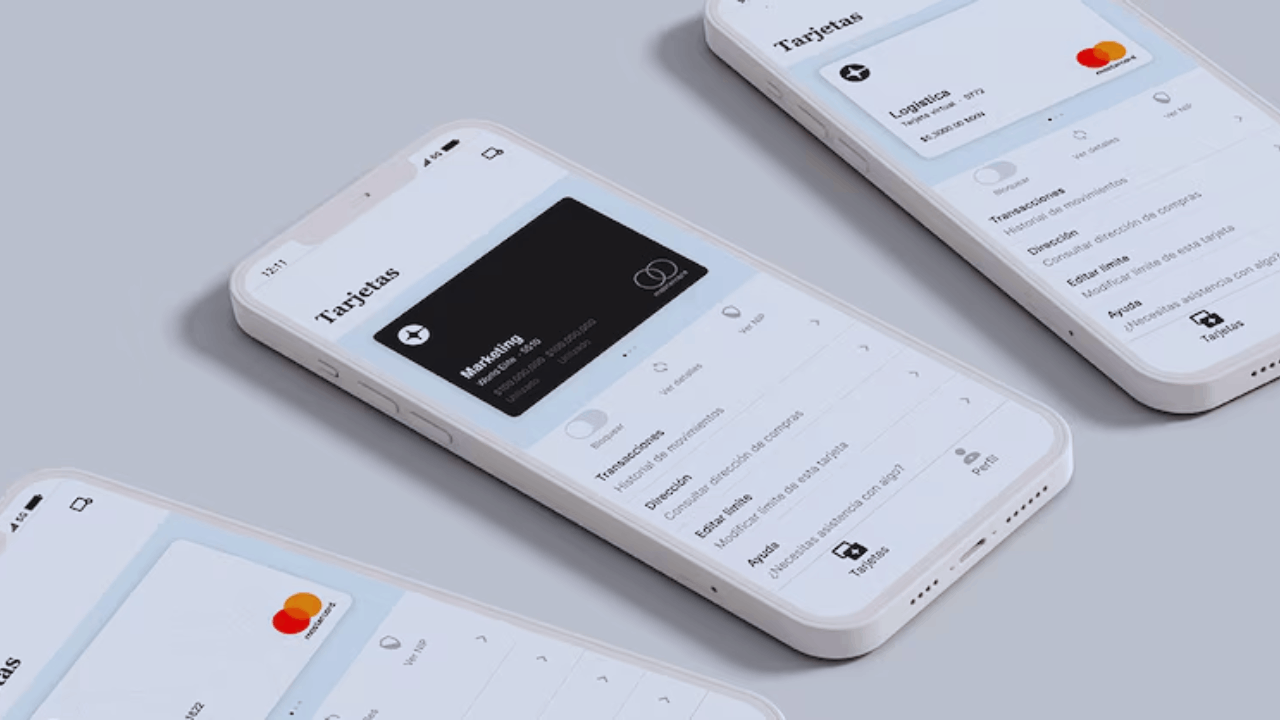
Administrators can create virtual or physical cards, set limits, and freeze or replace in seconds.
Merchant category blocks and project-specific cards turn policy into programmable rules. Because rules are shown at checkout, employees see expectations before spending, not after.
A Network and Mobile Experience Built for Everyday Use
Clara cards ride a major global network and pair with iOS and Android apps. Cardholders capture receipts, add notes, and follow approvals from their phone while traveling.
Admins can adjust limits or merchant permissions on the fly, with changes taking effect immediately. Mobility keeps documentation in the workflow and reduces back-and-forth at month-end.
From Plastic to Policy: Why Real-Time Controls Matter
Legacy programs catch issues weeks later, when budgets have already absorbed the damage.
Clara flips the sequence by enforcing rules during authorization and logging context instantly.
Finance can require reason codes, raise a limit, or close a category the moment a pattern emerges. Proactive control turns unpredictable spend into a managed, forecastable profile.
Expense Management That Eliminates Friction
Clara consolidates card transactions, invoices, and out-of-pocket claims so every peso or real is visible.
Approval routes mirror the org chart, keeping exceptions narrow and auditable. Attaching documents at purchase time makes closing the books assembly rather than investigation.
With projects and cost centers segmented, reporting aligns with how leaders actually track performance.
Accounts Payable and Reimbursements Under the Same Roof
Many tools stop at cards, but Clara integrates procure-to-pay into the same interface. Invoice intake, approvals, and vendor payments share data with card transactions for unified oversight.
Reimbursements follow identical documentation standards, shrinking cycles and confusion for employees.
Removing tooling silos reduces copy-paste errors and duplicate vendor records across teams.
Policy Automation That People Actually Follow
Expense policies fail when they are invisible at the time of purchase. Clara fixes that with configurable prompts, automated routes, and context-rich exception views.
Managers review requests with the right data, rather than cryptic emails and screenshots. Employees get clear guidance in-app, which reduces rework and late denials later on.
Adoption, Scale, and Regional Momentum
Clara’s growth includes funding and debt facilities that expand issuing capacity across core markets.
The company has emphasized operational discipline as it scales to enterprise volumes. Public updates indicate progress toward profitability as transaction counts rise. For buyers, that trajectory signals reliability alongside innovation in local markets.
New Capabilities Tailored to Local Needs
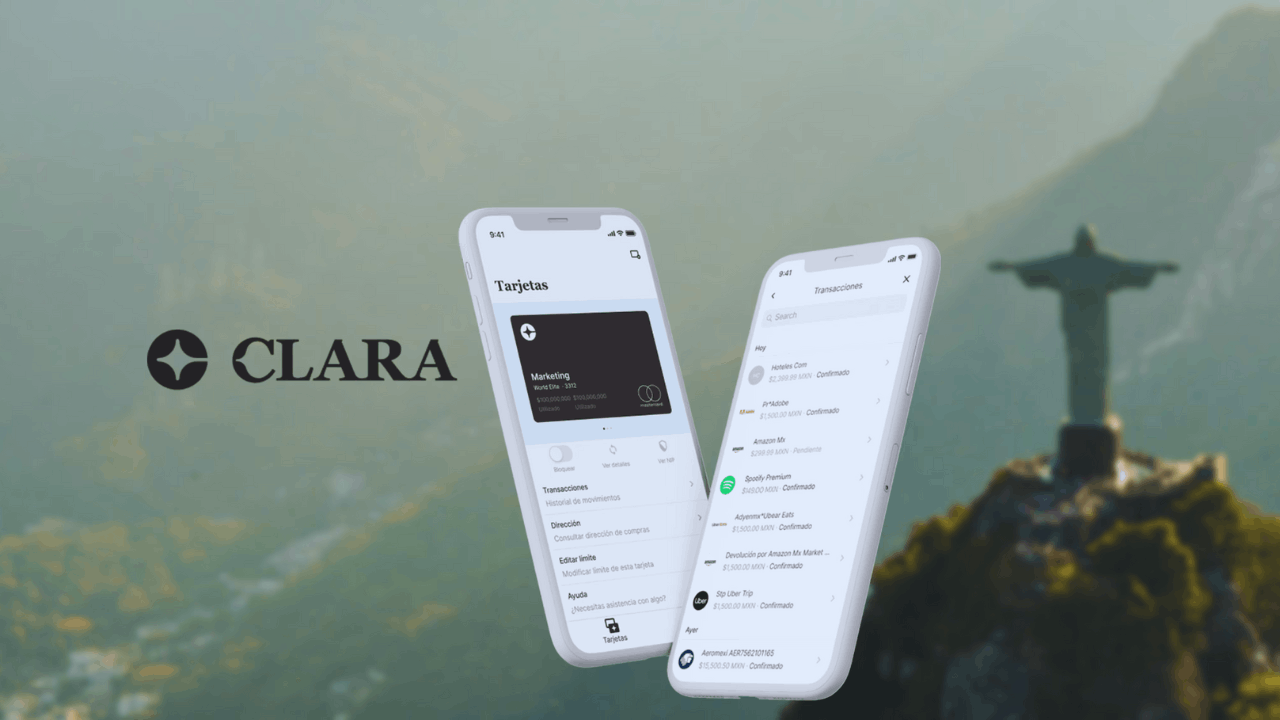
Clara adds features for local rails and accounting practices to reduce daily friction. In Brazil, a digital account streamlines cash movement and reconciliation within the platform.
Market-specific onboarding highlights instant issuance and localized support for faster adoption. Balancing global standards with local realities raises the odds of long-term success.
How Clara Fintech Changes the Finance Playbook
Strategically, Clara compresses the distance between policy intent and payment execution.
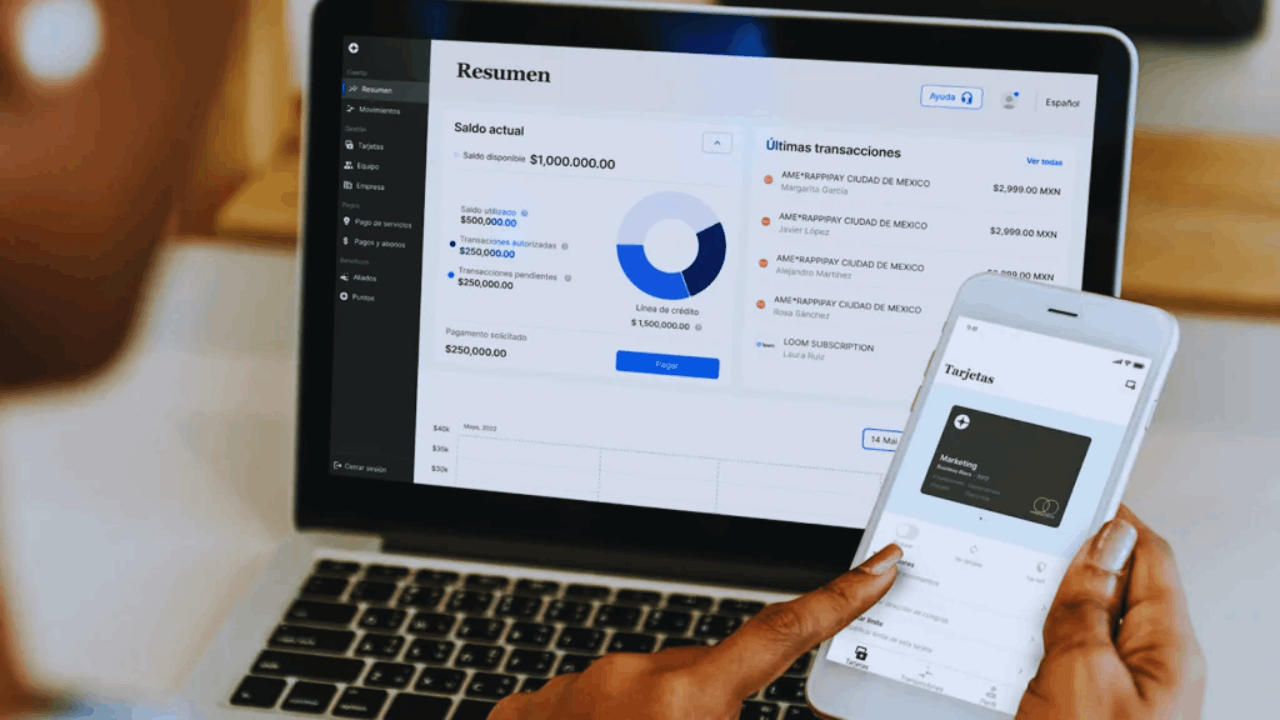
Every transaction carries the proper limits, metadata, and documentation because the card and policy are one product.
AI then elevates insights, proposing optimizations before month-end surprises arrive—finance shifts from reactive policing to proactive coaching that does not slow the business.
Practical Gains You Can Measure in the First Quarter
Teams track faster close, lower unmanaged spend, and higher receipt capture as early wins.
Because controls operate at authorization, these metrics move quickly after rollout. Mobile prompts and in-app uploads enable near-total documentation without the need for reminder campaigns.
Accounts payable consolidation shortens vendor cycle times and clarifies ownership for exceptions.
Day-to-Day Workflows That Teams Actually Use
Employees pay with physical or virtual cards while the app collects receipts and context.
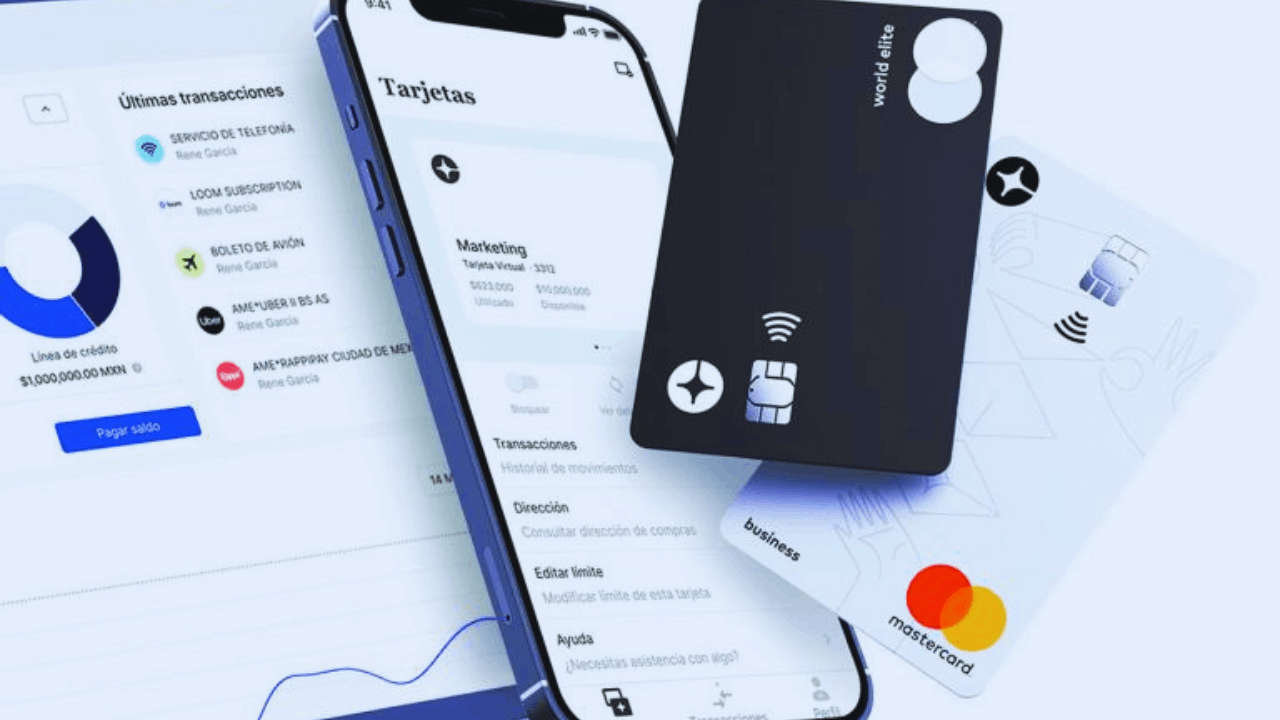
Managers see live spending by project and approve with a tap instead of email chains. Finance reviews exceptions in one queue with the evidence attached automatically.
That shared surface replaces patchwork spreadsheets and ad hoc approvals across departments.
Visibility That Improves Forecasting and Negotiations
Cleaner, standardized data improves forecasting accuracy for the next quarter’s cash needs. Category-level insights reveal subscription creep and vendor overlap across teams.
Finance can consolidate contracts and negotiate using real usage data rather than estimates. Over time, those adjustments compound into durable savings and better vendor terms.
Risk, Compliance, and Audit Readiness by Design
Real-time rules reduce accidental policy breaches and flag high-risk merchants early.
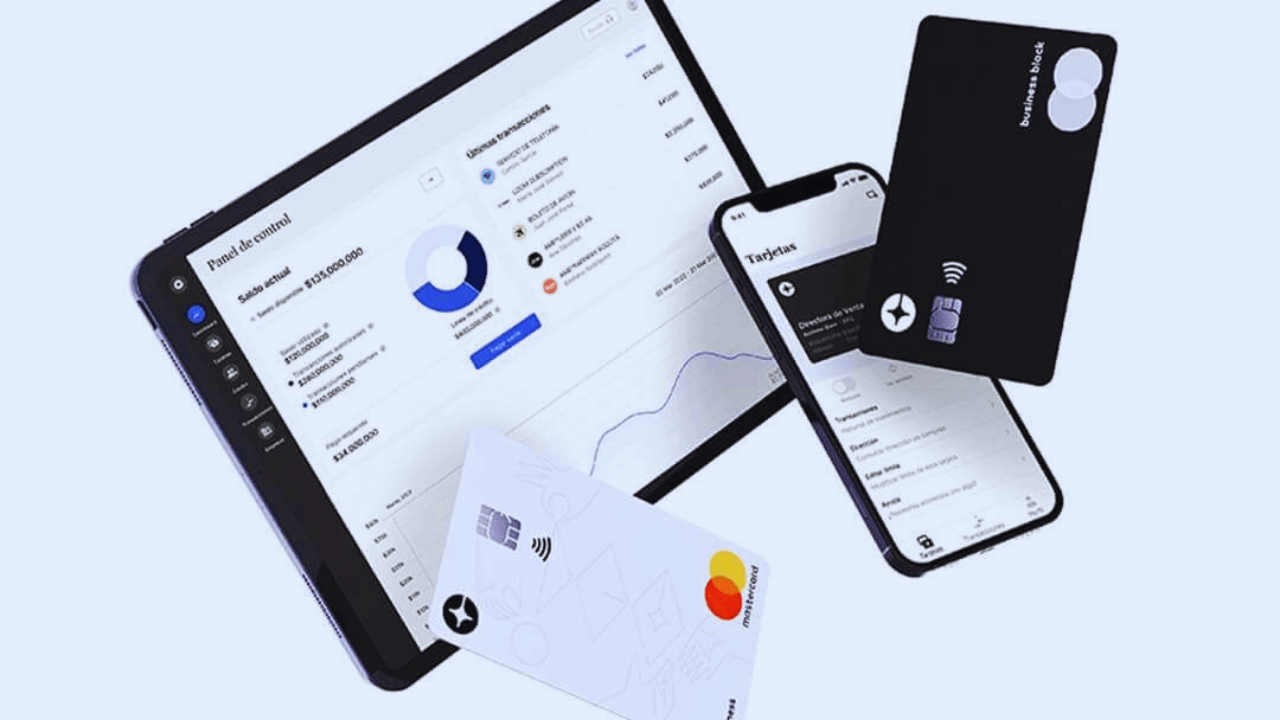
Centralized documentation creates an auditable trail without the need for manual file gathering. Role-based permissions keep access aligned with responsibilities as teams grow. When auditors arrive, evidence lives in one system instead of being scattered in inboxes.
Change Management That Respects Existing Tools
Clara integrates with accounting and ERP systems to minimize disruption from rip-and-replace upgrades. Imports and syncs keep the general ledger current while teams adopt new controls.
Training focuses on mobile tasks employees already perform, minimizing ramp-up time. The platform slots into workflows rather than forcing a wholesale process rewrite.
What to Watch Next From Clara Fintech
Expect deeper analytics, broader partner coverage, and increased automation on top of existing controls.
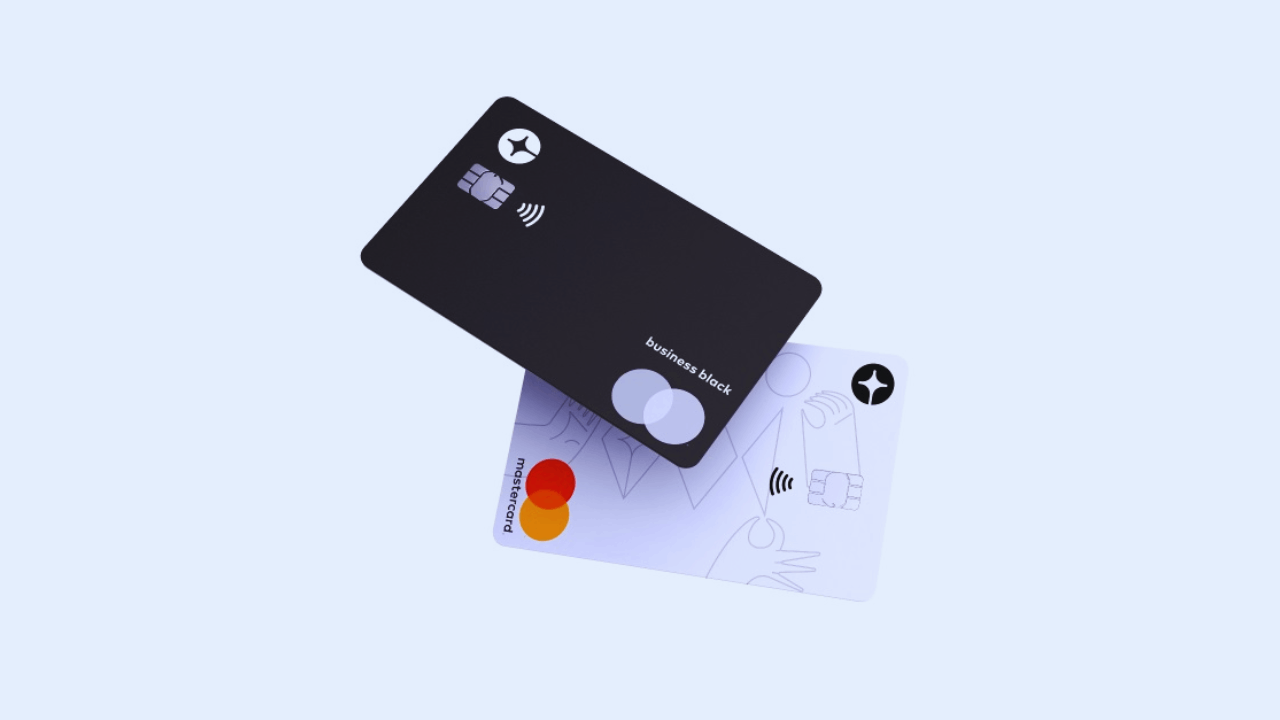
Localization will continue where payments and compliance differ meaningfully by country. Partnerships that expand acceptance and issuing capacity should follow as volumes rise. Tight integration remains the differentiator in a crowded spend-management field.
The Broader Impact on Corporate Card Programs
Programmable cards and visible policy turn the card into a responsive control surface. Teams gain autonomy to spend within established guardrails, rather than relying on central bottlenecks.
Vendor conversations become strategic because terms, usage, and categories are transparent. In fragmented banking environments, that coherence becomes a lasting competitive advantage.
Conclusion
Clara unites issuing, policy, accounts payable, and analytics in one experience. Customers gain control at the moment of purchase, experience faster closings, and receive live insights that change behavior.
AI features and localized accounts make the platform practical for cross-border growth. For leaders modernizing corporate cards and expense management, Clara’s integrated model offers a clear, scalable path forward.