

The market for premium payments is evolving quickly, and Mastercard’s new biometric and metal cards sit at the center of that shift.
These products combine stronger authentication, refined design, and modern tokenization so that everyday transactions feel secure and seamless.


At the same time, pilots in multiple countries are demonstrating that face and fingerprint verification can be effective at scale. This guide explains what these cards are, why consumers gravitate to them, and which five stand out in 2025.
What Are Mastercard’s New Biometric and Metal Cards
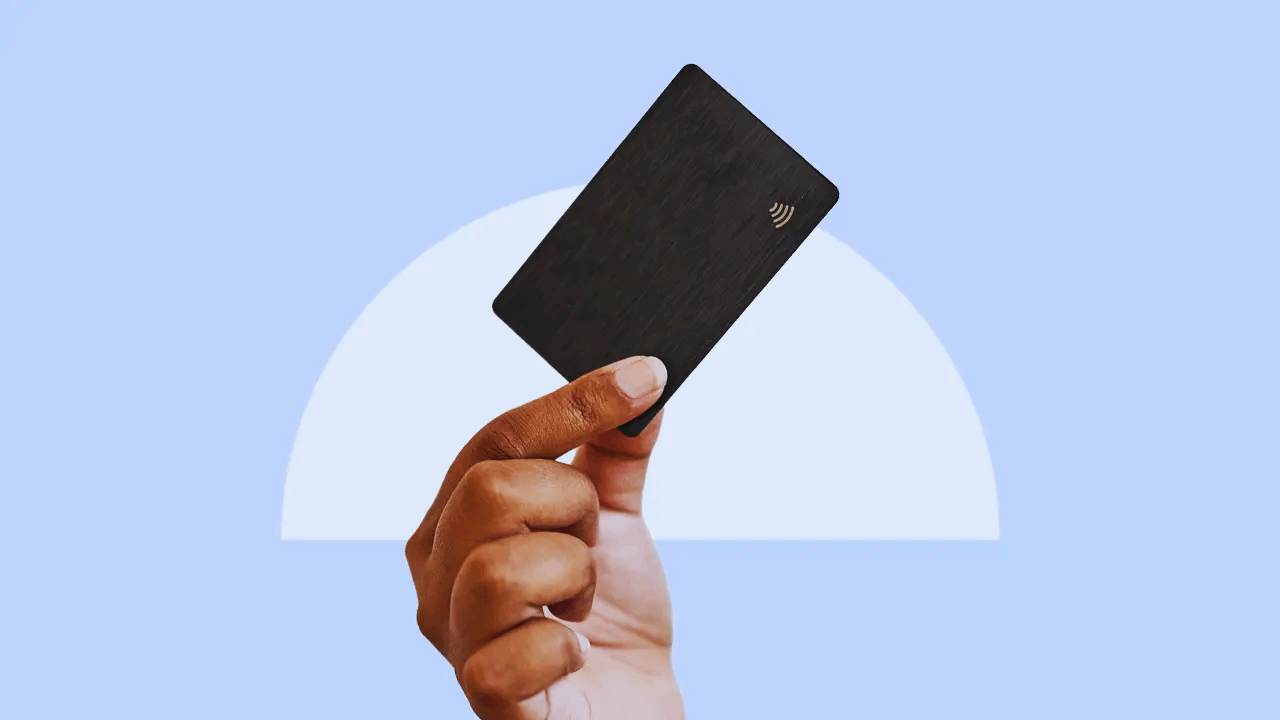
Biometric cards are payment cards that verify your identity using your fingerprint or face, instead of a PIN or signature, at checkout.

Mastercard’s framework covers card-based fingerprint authentication at the point of sale and device-less, face-based “Biometric Checkout” for in-store cameras.
Metal cards refer to physical cards made from premium materials, such as titanium, stainless steel, or gold plating, and are often positioned at the World or World Elite benefits tiers.
In 2025, Mastercard and its partners launched the first commercial biometric metal card, demonstrating how both concepts can coexist in a single product. Together, these innovations redefine the physical card as both a secure credential and a durable object you actually want to use.
Defining the Biometric Card in 2025
Mastercard’s biometric card integrates a fingerprint sensor into the EMV card, allowing authentication to occur on the card itself, rather than at the terminal. Because the match occurs locally, merchants typically do not need new point-of-sale hardware to accept it.
The company’s published FAQ frames it as an alternative to PIN that supports contact or contactless transactions.
Separately, a Biometric Checkout Program allows you to enroll a face template and pay by looking at an enabled terminal, utilizing tokenization and strict privacy standards. These two tracks provide issuers with flexibility to roll out biometrics in card form, checkout camera form, or both.
Why Metal Construction Matters
Metal cards use titanium, stainless steel, or gold-plated finishes to improve durability and perceived value. On the Mastercard network, several premium portfolios pair metal construction with elevated travel benefits and concierge services under World Elite.
The physical heft signals status while also standing up better to daily wear in wallets and bags.
Some partners emphasize distinctive finishes and measured weight to underscore the premium positioning. That attention to craft keeps metal cards popular, even as mobile wallets gain popularity.
Why Users Love Mastercard’s Biometric and Metal Cards
Consumers cite a mix of security, speed, and aesthetics when explaining why they prefer these products.
A fingerprint on the card or a face at checkout reduces reliance on PINs or passwords that can be observed or skimmed.
Tokenization and biometric authentication also shorten checkout time when implemented correctly.
Metal construction adds a tangible, luxury feel and often aligns with richer benefits packages from issuers. The combination creates everyday utility that feels premium without adding complexity.
Security, Privacy, and Trust
Mastercard emphasizes that biometric templates are protected and, in the case of checkout, tokenized to avoid exposing raw credentials. Its Biometric Authentication and Checkout initiatives are designed to remove passwords and visible card numbers from the process wherever possible.
The company’s public materials describe GDPR-level privacy expectations for pilots and standards for performance and spoof resistance.
Users appreciate that authentication factors are unique to them rather than something they must remember. This security model helps explain the rising adoption in 2024 and 2025 pilots.
Speed and Everyday Convenience
A card that authenticates with your finger or a terminal that recognizes your face trims the steps between card and payment.
Pilot case studies show that consumers can check out faster while maintaining the same rails and network rules that merchants already use. Because many implementations require little to no terminal upgrade, the rollout can feel seamless in stores.
When paired with mobile apps and tokenization, setup and use remain familiar to anyone already comfortable with contactless payments. That blend of faster flows and low friction is a core reason for positive pilot feedback.
Design, Durability, and Brand Experience
Metal cards withstand daily abrasion better and offer a refined look that partners can personalize. Programs showcase unique coatings, layered materials, and exact weights to create a consistent premium experience.
The material choice also aligns with benefit tiers, which can include concierge services and travel protections under the World Elite umbrella.
For many cardholders, the object itself reinforces the brand every time it is used. That physical-digital harmony keeps metal cards relevant alongside phones and watches.
How Mastercard Is Rolling These Capabilities Out
Mastercard’s biometric roadmap combines network standards, bank partnerships, and technology vendors that supply sensors and enrollment flows.
The Biometric Checkout Program transitioned from early showcases to broader pilots in markets such as Brazil and Poland, with new European pilots announced for 2024.
Meanwhile, ecosystem partners continue to supply biometric card components that issuers can adopt for premium portfolios. In July 2025, a partner bank debuted the first biometric metal card, signaling that high-end construction and fingerprint authentication can coexist.
These threads point to a future where authenticating yourself becomes natural across card, device, and camera experiences.
What It Means for Merchants and Issuers
Because biometric card matching occurs on the card, most merchants can accept transactions without replacing their terminals.
Biometric checkout, by contrast, utilizes cameras and certified software with tokenization, allowing retailers to enable it where speed and customer experience justify the investment in hardware. Issuers gain differentiated portfolios and new reasons to promote World and World Elite tiers with security narratives that resonate.
Regulators and standards bodies focus on privacy and consent, so programs are built to match those expectations in terms of enrollment and storage. The result is a measured rollout that strikes a balance between innovation and trust.
Top 5 Mastercard Biometric and Metal Cards in 2025
The best way to see these trends is through specific cards that you can apply for or observe in the market.
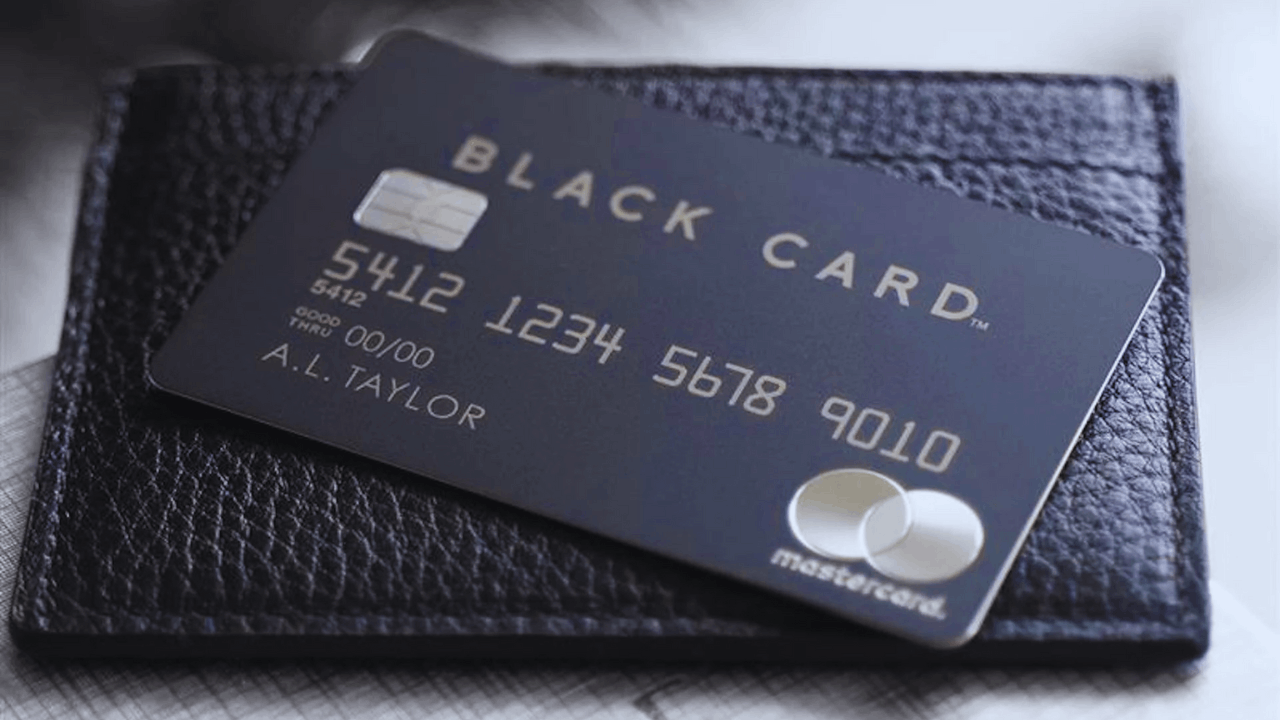
The selections below highlight verified, partner-published features that illustrate biometrics or metal builds on the Mastercard network.
Availability and eligibility vary by country and issuer, so always confirm details with the official pages before applying.
Each example demonstrates how security, design, and benefits come together to create a coherent product. Together, they map the leading edge of where Mastercard’s partners are taking premium cards.
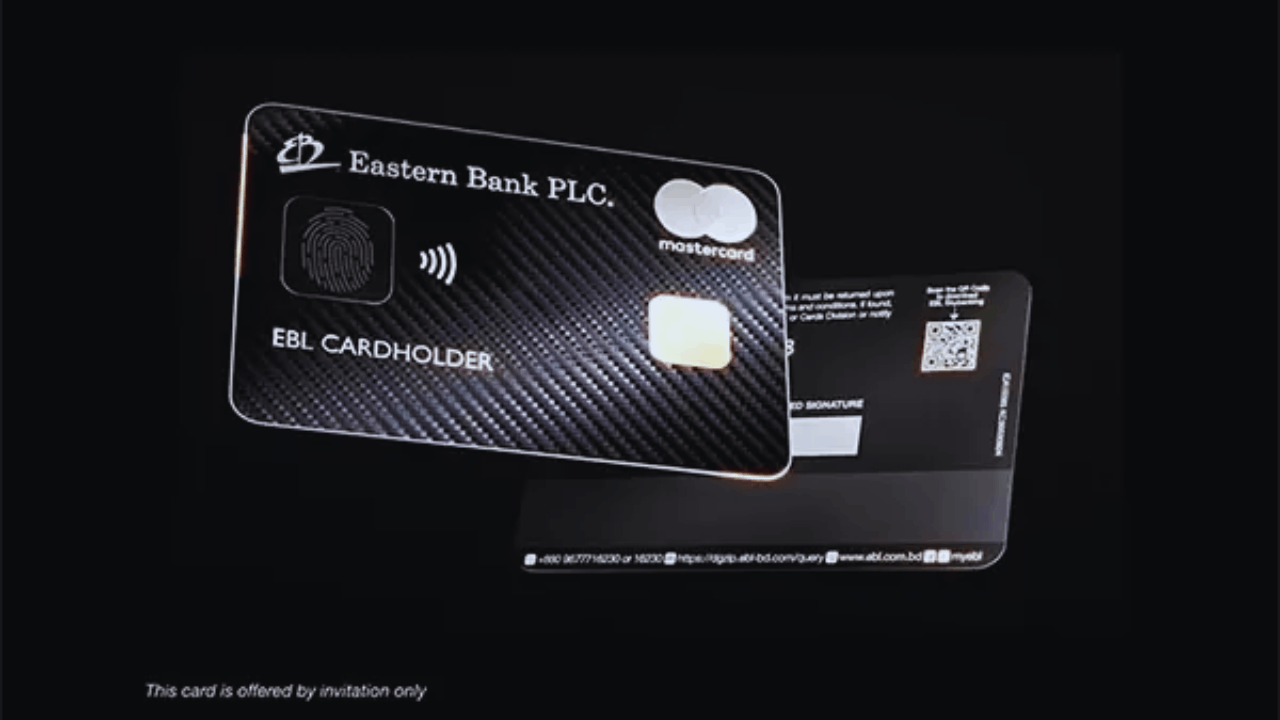
Eastern Bank PLC Biometric Metal Mastercard
In July 2025, Eastern Bank PLC launched what Mastercard calls the world’s first biometric metal credit card, developed in collaboration with IDEX Biometrics and other technology partners.
The product authenticates in-store purchases with your fingerprint and combines that with a metal body for durability and prestige. The bank describes a PIN-free experience that keeps the authorized user at the center of each transaction.
Mastercard’s regional newsroom confirmed the launch and emphasized its status as a global first. This card marks a milestone where biometric security and metal construction meet in a single, commercial credit product.
Apple Card Titanium Mastercard
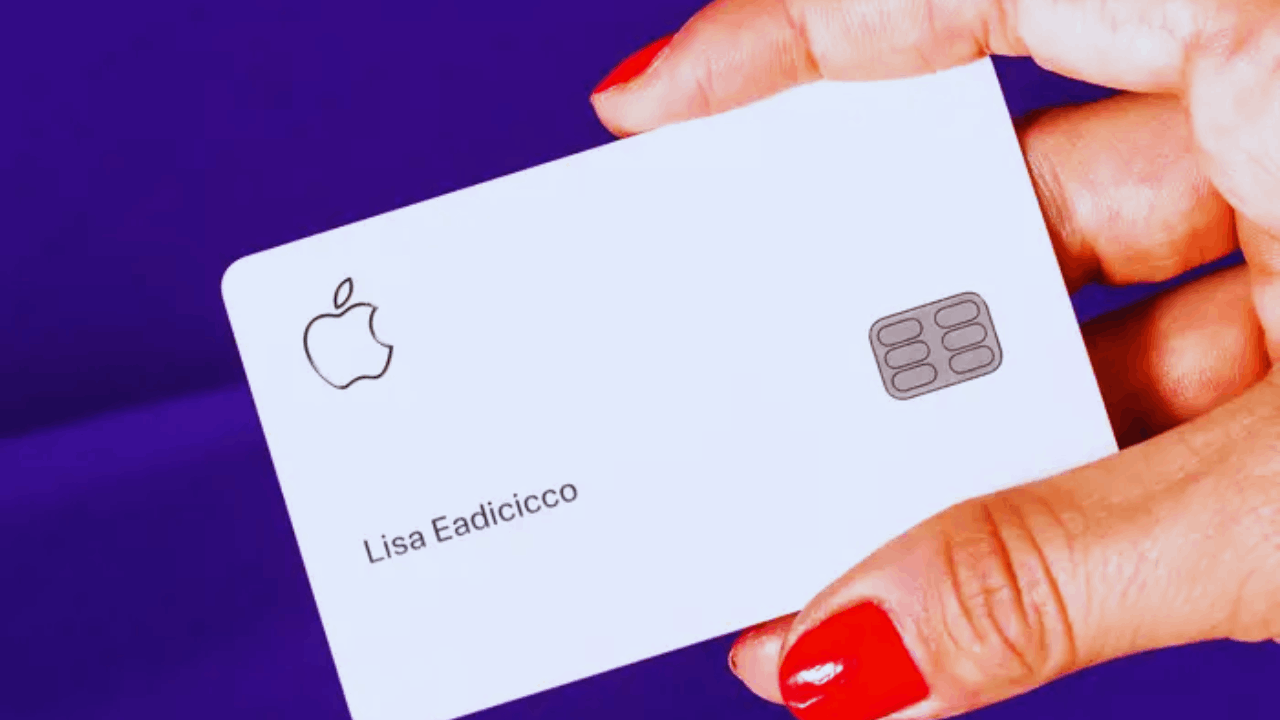
Apple Card utilizes a titanium physical card for transactions that do not accept Apple Pay and operates on the Mastercard network globally.
Apple’s materials explain that the titanium card pairs with a virtual number managed in Wallet, while Daily Cash accrues on every purchase. Support documents show how to request or replace the titanium card directly from the app.
The metal build emphasizes minimalist design and resilience while the network ensures broad acceptance. For iPhone users, that integration delivers a coherent experience across device and card.
Luxury Card Mastercard Gold Card
Luxury Card’s Mastercard Gold Card is a 24 K gold-plated stainless steel card positioned in the World Elite tier.
The issuer discloses construction details, annual fee, and benefits that include concierge access and defined redemption values. The metal finish and measured weight are integral to the product’s identity and perceived quality.
As a Mastercard, acceptance remains broad, while the benefits align with premium travel expectations. This card exemplifies the high-craft approach to metal on the network.
Luxury Card Mastercard Black Card
The Mastercard Black Card features a black PVD-coated stainless-steel front with a carbon back, weighing approximately 17 grams.
Luxury Card documents outline both the construction and the benefits footprint that come with its World Elite positioning. The weight and finish differentiate it from plastic while promising durability for daily carry.
For customers who value feel and form, the card’s industrial design is a selling point by itself. It is a clear example of metal translating into brand and user experience.
Luxury Card Mastercard Titanium Card
Rounding out the Luxury Card trio, the Mastercard Titanium Card delivers a brushed-metal aesthetic and World Elite benefits structure.
The card’s positioning emphasizes premium service, concierge access, and steady value for redemptions. As with the other Luxury Card products, the metal shell aligns with a consistent, high-touch presentation.
Customers choose among the three options based on their design taste, fee tolerance, and benefit preferences. The portfolio shows how metal can scale across multiple tiers while staying unmistakably premium.
Conclusion
Mastercard and its partners are demonstrating how security, design, and usability can reinforce one another, rather than competing. Biometric authentication eliminates the need for passwords and PINs, while tokenization and on-card matching safeguard privacy and enhance speed.
If you want a card that feels modern in your hand and smarter at the point of sale, Mastercard’s new biometric and metal cards are set to define that experience in 2025 and beyond.
Note: There are risks involved when applying for and using credit. Consult the bank’s terms and conditions page for more information.