

India’s credit market is shifting toward instant, app-first experiences, and the new UPI-linked credit card from Slice embodies this shift with clear intent.
By binding a formal credit line to UPI, Slice turns every QR scan into a credit transaction that settles on established rails. The result is a familiar UPI checkout with card-like rewards, protections, and monthly billing.


Early launch materials emphasize everyday utility, straightforward pricing, and strong ties to the domestic RuPay network. This guide explains what the product is, why it matters for access, and how to use it effectively.
What Slice’s UPI-Linked Credit Card Actually Is
Slice’s UPI credit card is a RuPay credit card that you can link inside supported UPI apps, allowing you to pay via QR or handle routine UPI flows while drawing on a revolving credit line.
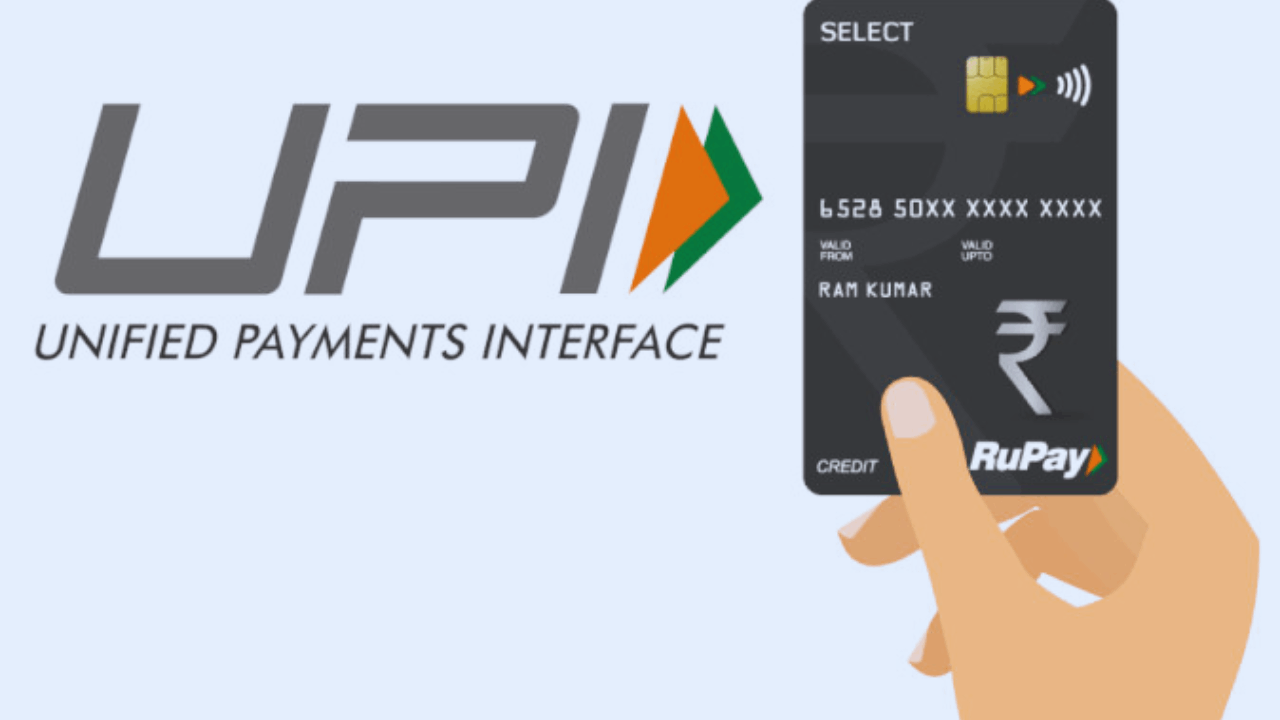
The company positions it as a “super card” with up to 3% cashback, instant receipt capture, and the option to split purchases into three interest-free installments.
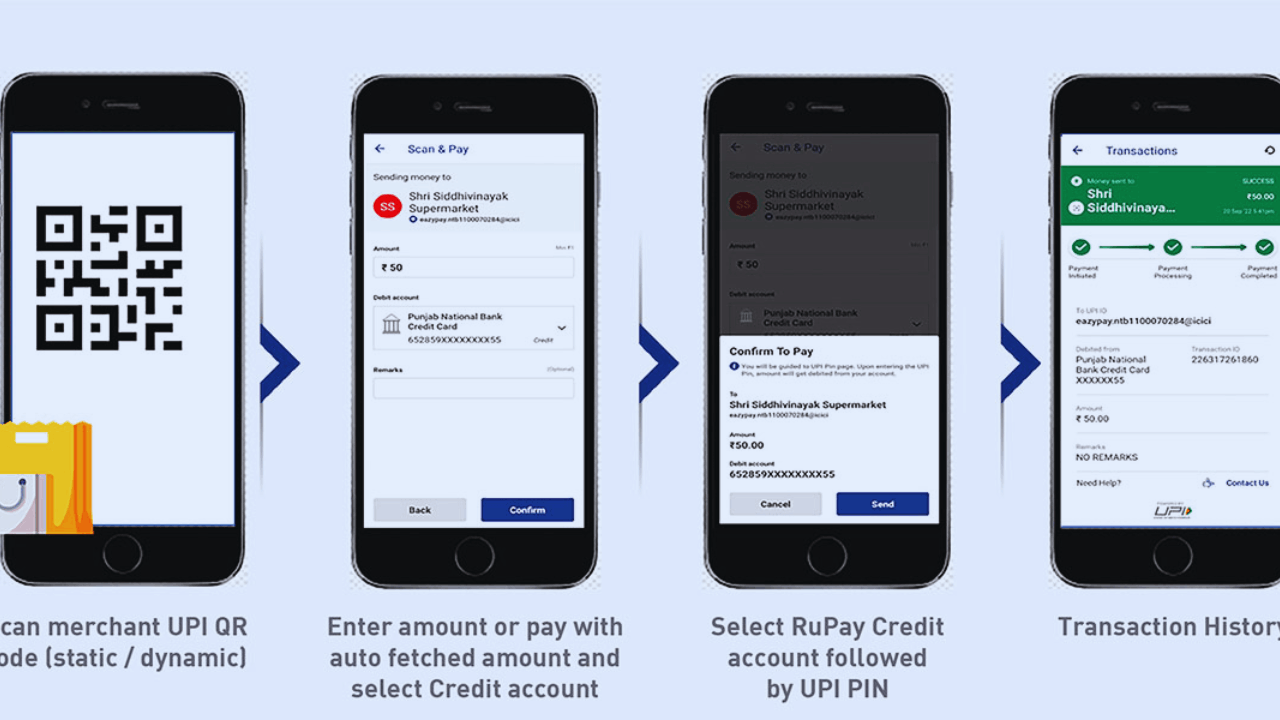
Because it runs on RuPay, it participates in NPCI’s framework that enables credit cards to operate natively on UPI. In practice, this means scanning a merchant’s QR code as usual, selecting the card as the funding source, and the transaction posts like a regular credit purchase.
The flow reduces friction for shoppers who already live in UPI but want card-grade rewards and billing flexibility.
How Credit Cards on UPI Work Under the Hood
NPCI’s “Credit Card on UPI” standard enables issuers to map a RuPay credit card to a UPI handle, routing payment requests to the card account instead of a bank balance.
Enrollment happens inside supported apps, and once linked, the card behaves like any other UPI payment source at compatible merchants. The framework preserves UPI’s real-time confirmation while maintaining EMV-grade authorization, dispute, and settlement rules on the card side.
This hybrid provides users with the speed of a QR scan, along with familiar statement cycles, limits, and chargeback pathways. NPCI’s public guidance emphasizes the security, tokenization, and app readiness that enable the experience to be implemented at scale.
Core Features Slice Is Advertising Today
Slice’s launch describes a RuPay UPI credit card with zero joining or annual fees, up to 3% cashback on eligible spends, and a “slice in 3” plan that splits purchases into three no-cost EMIs.
The card is designed for QR scans, contactless payments, and standard e-commerce transactions, with rewards credited to the same account you use for managing costs. Product pages and press briefings repeat the focus on everyday acceptance and quick onboarding through the app.
Media coverage of the launch also notes the card’s goal of democratizing access by leveraging UPI usage, which is already mainstream. For customers, the promise is card-level value without changing their usual payment methods at local merchants.
Why Slice’s UPI Credit Card Matters for Access
UPI dominates India’s digital payments, so attaching a revolving line of credit to that behavior can expand formal credit without new habits.
Slice’s approach leverages familiar QR journeys, incorporating rewards and structured pay-later options that consumers already associate with credit products.
Because the card is RuPay, it aligns with national infrastructure choices and merchant acceptance patterns. Public updates around the rollout emphasize no annual fee and clear, in-app management, which lowers barriers for first-time cardholders.
The net effect is a bridge between everyday UPI usage and the benefits of regulated consumer credit.
The Inclusion Angle After Slice’s Banking Moves
Since integrating with a small finance bank and rebranding the licensee, Slice has highlighted a plan to deliver banking and credit under one roof.
Official pages for the bank entity now reflect the “Slice Small Finance Bank Ltd” name, signaling a deeper push into deposits, servicing, and regulated operations. That broader platform supports issuing credit at scale while keeping compliance and disclosures close to the product.
A UPI-linked card sits naturally in this stack because it uses the same identity, KYC, and servicing rails as deposits and payments. For borrowers, this means fewer apps and more transparent accountability when questions arise.
Merchant and User Experience Benefits
For merchants that already accept UPI, there is no new ritual when a customer pays with a UPI-linked credit card.
The scan, confirmation, and settlement feel identical from the cashier’s perspective, which keeps checkout times predictable. Users, meanwhile, receive statement credit, EMI options, and card-style protections while staying within their preferred UPI app.
That symmetry matters for adoption because it avoids the terminal or policy changes that slow traditional card acceptance. The overall design aligns incentives across shoppers, shops, and the network operator.
Slice UPI Credit Card: Fees, Rewards, and Protections
Slice’s materials and launch reports emphasize zero joining and annual fees, with rewards up to 3% on everyday spends made via UPI, tap, or standard card rails.
The “slice in 3” feature converts eligible purchases into three equal monthly installments with no additional charges, as advertised in marketing materials.
Additionally, Slice’s credit card terms page outlines how billing cycles, due dates, and interest calculations work when balances are carried over.
Customers should review the MITC to understand the APR bands, fees for late payments, and how EMIs are displayed on statements. Reading these disclosures carefully ensures that the advertised value is reflected in your personal usage.
Earning, Redeeming, and Managing Day to Day
Cashback accrues inside the Slice ecosystem and can be tracked in the app alongside upcoming bills and EMI schedules.
Since the card is powered by RuPay, you can continue using your preferred UPI app interface for scans while selecting the card as the funding source.
This reduces category confusion and helps you lean on QR-heavy merchants without sacrificing rewards. Routine redemptions and statement credits are typically handled digitally, providing instant feedback in most cases. The app experience is central, and updates on the Play Store reinforce the emphasis on always-on self-service.
Travel, Online, and Contactless Scenarios
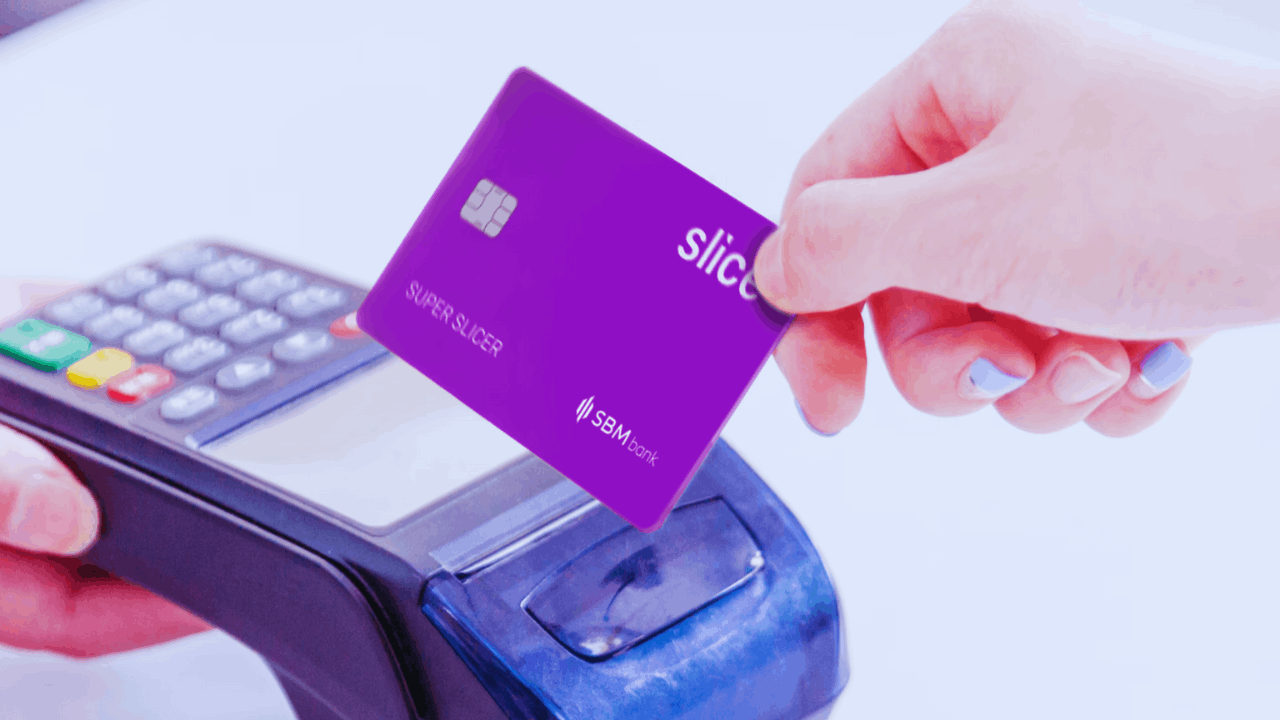
While the hero flow is QR via UPI, the Slice credit card also supports contactless taps and online checkouts that rely on standard EMV and card-not-present rules.
This hybrid ensures you can carry one product for neighborhood purchases and e-commerce without juggling separate tools. Rewards and EMI options are available across these modes, ensuring consistent value on the go.
For travel within India, the card’s domestic network acceptance and UPI coverage result in fewer edge cases at smaller merchants. That breadth is important if you want a single card to handle both scans and swipes.
Getting Started: Linking, Paying, and Repaying
The basic setup involves receiving your RuPay credit card credentials from Slice and linking the card to UPI inside a participating app.
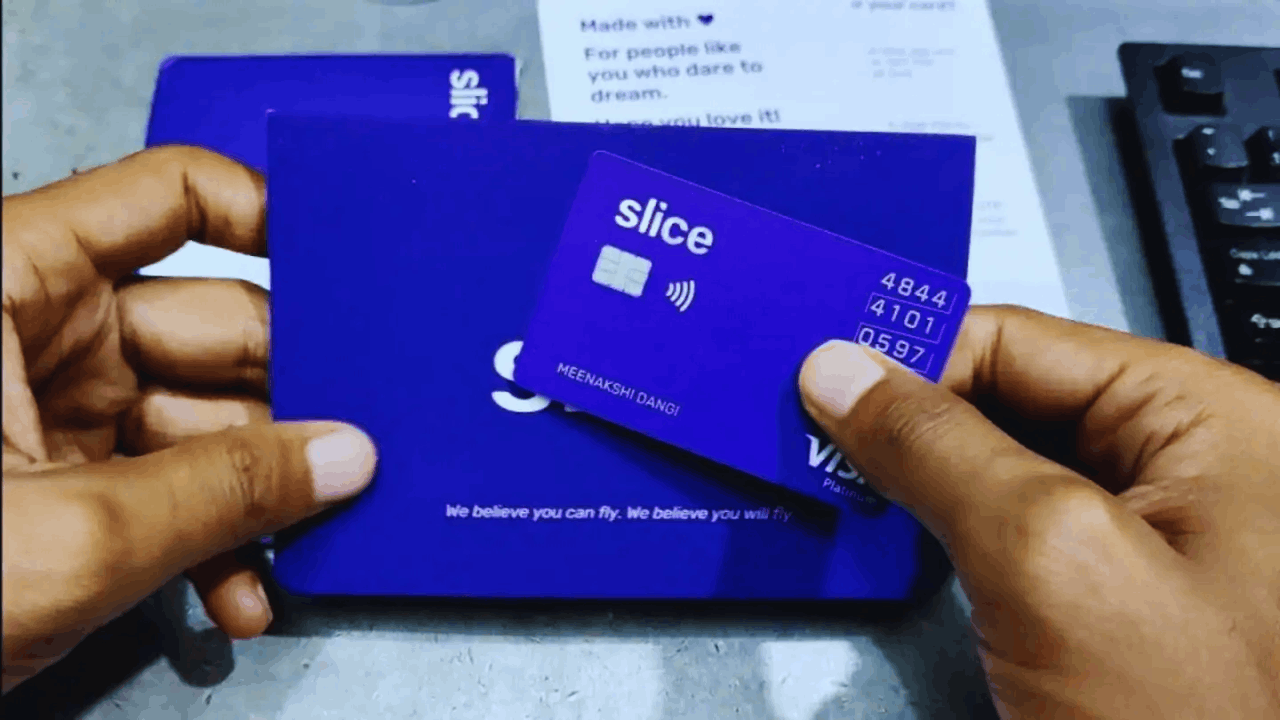
Once enrolled, you will see the card alongside bank accounts when choosing a payment source for QR transactions. At checkout, select the card, authenticate as prompted, and the payment will be debited from your credit line rather than your deposit balance.
Each month, pay the full statement to avoid interest, or let eligible transactions ride on “slice in 3” where you prefer structured cash-flow. Keeping alerts on and due-date reminders active prevents avoidable charges and preserves the advertised value.
Using “Slice in 3” Without Surprises
Interest-free installment plans can help smooth cash flow, but you should still read how conversions post and what happens on late payments.
Slice’s MITC explains how the oldest dues, interest accrual, and fees are calculated if you miss a statement cut or due date.
Understanding these mechanics ensures the no-cost promise holds for your specific transactions. Treat EMIs like scheduled bills and keep buffers in your funding account to cover them. That discipline allows you to enjoy flexibility without eroding your net rewards.
Managing Limits, Security, and Support
You can request limit changes, lock or unlock the card, and view recent transactions directly in the app. Because the card is part of a bank-regulated stack, you also get standard dispute and chargeback processes if something goes wrong.
If the card is linked to multiple UPI apps, keep track of which handles point to credit versus deposit to avoid confusion at checkout.
Push notifications, spending caps, and merchant alerts are practical tools to stay within budget. For escalations, in-app chat and published customer-care channels route to the appropriate service team.
How Slice’s Launch Fits the Larger UPI Story
The growth of UPI and new rulemaking around credit lines on UPI creates a tailwind for products that merge credit with QR flows.
NPCI continues to evolve limits, categories, and platform readiness so larger transactions and new use cases can move onto UPI. This scaffolding makes it easier for issuers to deliver credit in familiar contexts without having to reinvent acceptance.
Slice’s timing follows regulatory clarity and growing consumer comfort with tap-and-scan behaviors. The broader direction points toward more issuers rolling out similar RuPay-based UPI credit cards in 2025.
Competitive Signals and Market Validation
Independent coverage of Slice’s launch notes no annual fee, QR-first design, and cashback aimed at everyday purchases.
Early reports also highlight the company’s move to open a UPI-powered physical branch with a 24-hour ATM, underscoring its omnichannel ambitions. Trade outlets and business press frame the card as a push to democratize credit using infrastructure Indians already trust.
These signals suggest that the category is shifting from pilot to mainstream product. Announcements around RuPay issuance approvals reinforce that momentum on the supply side.
Practical Differences Versus Wallet-Only Credit
Wallet-based pay-later features can feel similar at checkout, but a UPI-linked credit card is a true card account with statement cycles, EMV rails, and formal underwriting.
That structure brings cardholder protections, standardized dispute routes, and transparent pricing disclosures. It also builds a credit history with regulated reporting that can benefit long-term borrowing power.
For users who started with pay-later, the shift to a card can improve predictability and portability across merchants. Slice’s design aims to keep the simplicity while adding the backbone of formal credit.
Conclusion
UPI is already the default for everyday payments, and Slice’s RuPay-powered UPI-linked credit card lets consumers add rewards and flexible repayment without changing habits.
The product aligns card economics with QR convenience, which can expand formal credit to users who avoided plastic or disliked complex fee structures. If you want credit that works the way you already pay, Slice’s UPI-linked credit card offers a strong, app-first path into regulated revolving credit.