

Consumers and companies are increasingly leveraging partnerships that transform everyday spending into targeted rewards, which is at the core of the rise of co-branded credit cards in 2025.
These products fuse a merchant’s loyalty program with a bank’s issuing power and a global network’s acceptance. The result is a card that speaks to a customer’s habits while giving brands measurable engagement.



Issuers benefit from durable, high-usage portfolios that justify richer perks and clearer disclosures. This guide explains what co-brands are, why they work for both sides, and which cards exemplify the model today.
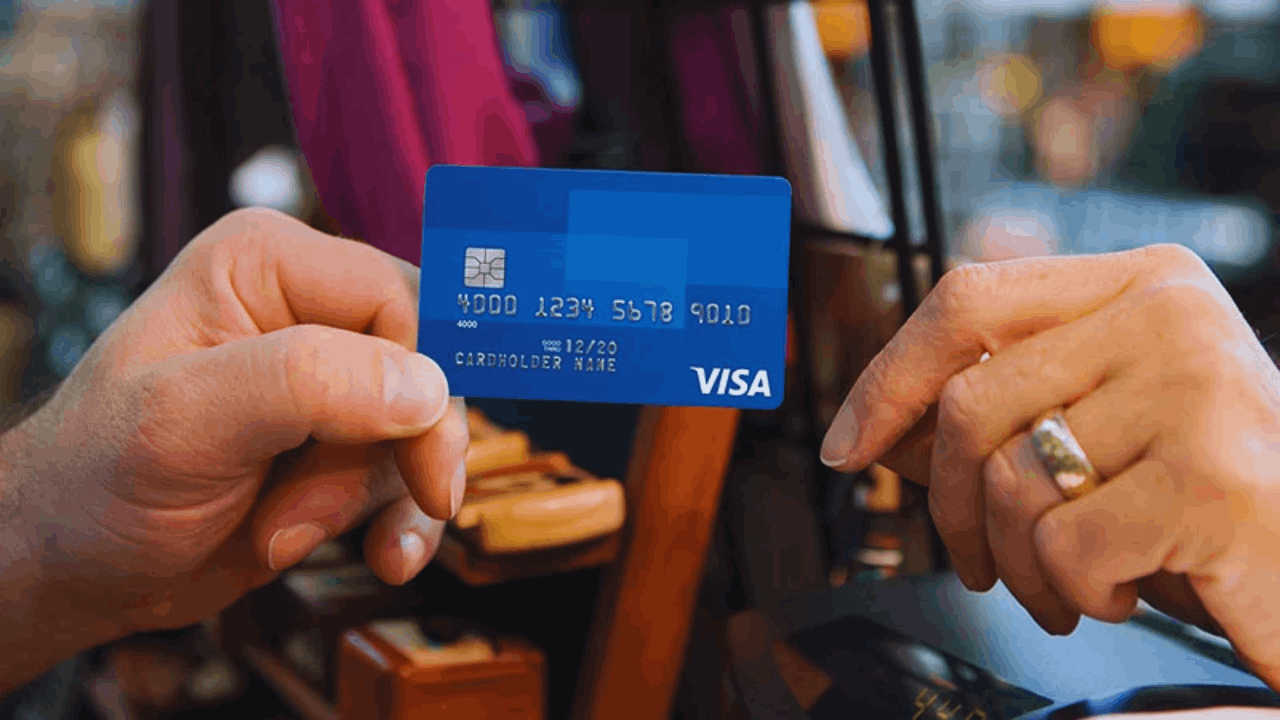
What Are Co-Branded Credit Cards
A bank issues a co-branded credit card in partnership with a merchant, airline, hotel, or platform, and it carries both brand marks.
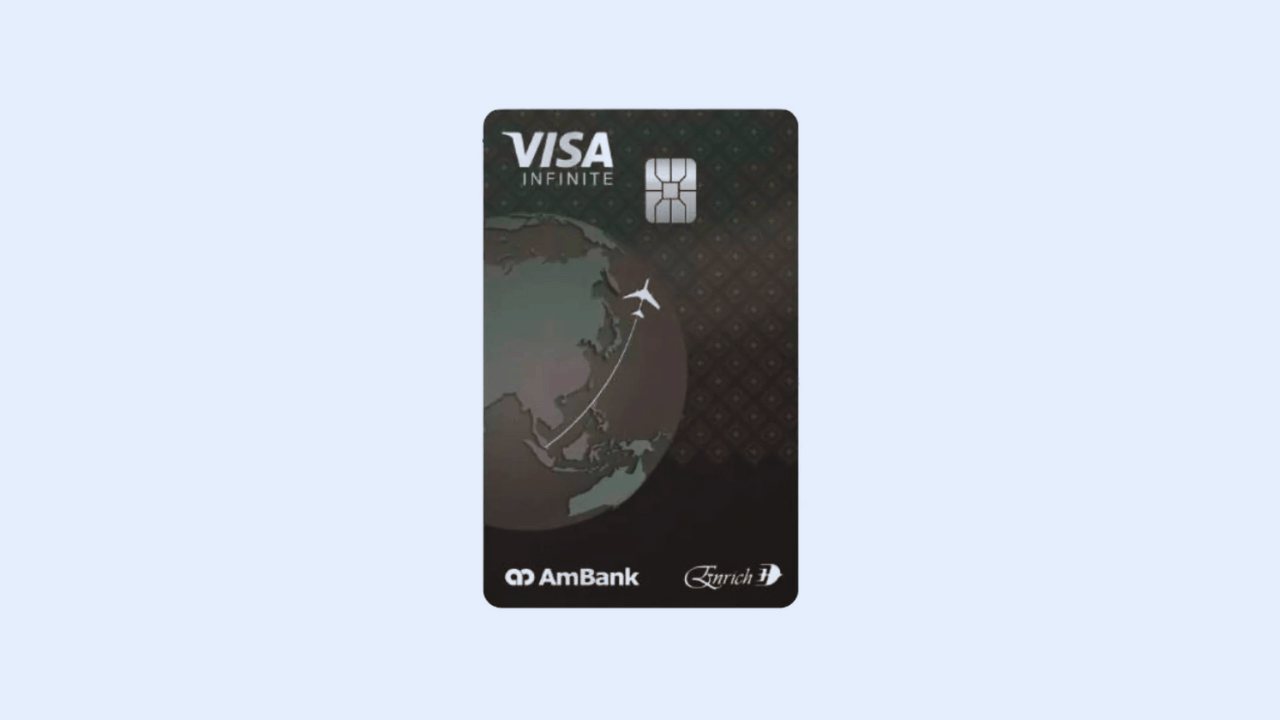
The card earns rewards or unlocks benefits tied to the partner’s ecosystem, while still being accepted anywhere the network is supported.
That blend of universal acceptance and brand-specific value is what sets co-brands apart from generic rewards cards.
Official definitions emphasize the loyalty purpose and the shared economics behind the program. In practice, the structure encourages customers to concentrate their spending where the perks are highest.
How Co-Brands Work Behind the Scenes
The merchant supplies the loyalty engine and audience, the issuer handles underwriting and servicing, and the network provides rails and acceptance.
Each party aligns incentives so the cardholder earns points, discounts, elite credit, or statement credits that reinforce repeat behavior. Modern programs incorporate mobile-first redemption, real-time posting, and merchant data to enhance promotions.
Networks describe these cards as engagement tools because the rewards make the brand top of wallet. The more seamless the earn-and-burn cycle becomes, the more “sticky” the card is for the user.
Where You See Co-Brands in the Wild
Airlines, hotels, and large retailers dominate, but marketplaces and delivery platforms also partner with issuers.
Airline cards often bundle priority services, bag fee waivers, and mileage discounts on award tickets. Hotel cards layer elite status, free night certificates, and elevated earn on branded stays.
Retail co-brands typically focus on offering high cash back at the sponsoring store and its digital channels. Across categories, official materials spell out category multipliers, status benefits, and redemption rules in detail.
Why Brands and Users Love Co-Branded Cards
For brands, co-brands transform payments from a commodity into a loyalty instrument that drives incremental trips and higher baskets.
The data helps refine offers and measure campaign payoff with unusual precision compared to untargeted marketing.
Issuers value the resilience of co-brand portfolios because cardholders who are engaged with the product use it frequently.
For users, the immediate, partner-specific benefits often outpace generic points if they already shop or travel with that brand. When designed well, both sides see faster feedback loops and clearer value.
The Brand Perspective: Loyalty, Data, and Share of Wallet
Co-brands create a direct line from marketing to purchase, letting partners reward exactly the behavior they want.
Companies can tune earn rates, status credits, and statement credits to move customers toward premium services. Because transactions run on the partner’s networked rails, measurement is granular and fast.
Over time, brands use that signal to lower acquisition costs and lift lifetime value. That is why networks position co-brands as engines of engagement rather than mere tenders.
The User Perspective: Perks That Map to Real Life
Cardholders care less about backend economics and more about tangible perks, such as free bags, lounge day passes, or higher cash back at a favorite store.
Airline and hotel cards can compress timelines to elite status through automatic credits and boosted earnings on branded purchases. Retail co-brands offer immediate savings on baskets that people already buy, which feels tangible and repeatable.
The key is that benefits match habits, so users see returns without changing their routines. Transparency regarding rates, caps, and fees helps keep expectations realistic and fosters high trust.
The 2025 Momentum Behind Co-Brands
Program pages in 2025 emphasize richer everyday categories and cleaner redemption paths that reduce friction.

Airline partners highlight award discounts, status boosts, and travel credits that make perks usable beyond peak seasons.
Hotel partners continue to pair automatic status with annual free night certificates that hold clear redemption value. Major retailers rely on elevated earnings at their stores, along with expanded multipliers in adjacent categories.
Networks explicitly frame co-brands as loyalty machines designed to keep a brand at the top of the wallet in crowded markets.
What Matters When You Compare Programs
Start with where you actually spend or travel, then weigh the earn rates against realistic redemption.
Confirm any membership requirements that unlock the headline earn, such as a paid loyalty tier. Review ongoing fees, foreign transaction policies, and whether benefits require activation or a code.
Finally, read the partner’s definitions for categories and caps because coding can vary by merchant. Five minutes on official pages prevents surprises after you apply and start using the card.
Top 5 Co-Branded Credit Cards in 2025
The following examples illustrate how co-brands translate everyday purchases into partner-specific value.
Each card’s official materials spell out earn rates, signature perks, and notable conditions. Focus on whether you already live in the partner’s ecosystem because that is where upside compounds.
Consider foreign use, redemption flexibility, and any annual certificates or club passes. If the benefits align with your routine, co-brands can deliver outsized returns compared to general rewards cards.
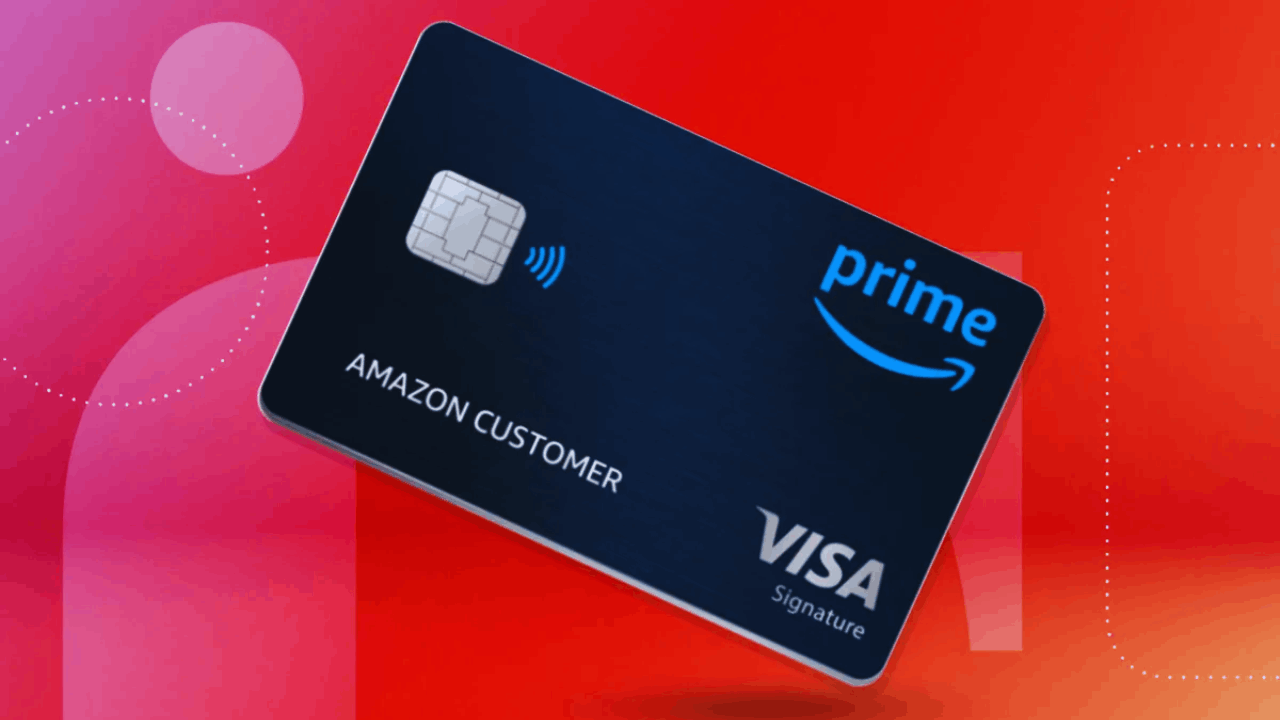
Amazon Prime Visa from Chase
Prime Visa offers 5% back at Amazon, Whole Foods Market, and on Chase Travel purchases for eligible Prime members, plus 2% back at gas stations, restaurants, and transit.
The card carries no annual credit card fee, though Prime membership is required to unlock the top earn tier at Amazon properties. Rewards accrue as points that can be redeemed at checkout on Amazon or through Chase for statement credits and travel.
Because many households already spend heavily with Amazon, the return is simple and immediate. Official pages outline category definitions, redemption math, and eligibility so you can project real value.
Costco Anywhere Visa Card by Citi
Costco’s Visa card centers value on memberships with elevated cash back in fuel, travel, restaurants, and Costco purchases.
The 2025 structure highlights 5% on gas at Costco locations and 4% on other eligible gas and EV charging up to a defined annual cap, plus 3% on restaurants and eligible travel. Costco purchases earn at 2%, and all other purchases earn at 1%, with rewards redeemable annually.
Because redemption runs through Costco, frequent shoppers can enjoy steady savings. Citi and Costco publish full category rules, caps, and redemption details for accurate planning.
Delta SkyMiles American Express (Gold Tier)
Delta’s co-brand family offers multiple tiers, and the Gold version anchors mainstream value with first checked bag free and TakeOff 15 award savings.
Cardholders see mileage earning aligned with Delta purchases and everyday categories, alongside periodic statement credits on eligible Delta purchases. The benefits are designed to make occasional flyers feel elite while encouraging them to take repeat trips with the airline.
For many travelers, the bag fee waiver alone offsets a significant portion of the annual cost. Amex and Delta maintain updated pages listing current perks, fees, and timelines.
United Explorer Card from Chase
United’s Explorer Card combines airline benefits with approachable annual fees for frequent or regional United flyers.
Signature benefits include a free first checked bag for the primary cardmember and one companion, priority boarding, and two United Club one-time passes each year. The card also offers a credit toward Global Entry, TSA PreCheck, or NEXUS, as well as discounts on in-flight purchases.
Earning is aligned with United purchases and everyday categories, and protections cover trip delays and baggage issues. Chase and United publish the full slate of perks and protection terms, allowing travelers to compare them precisely.
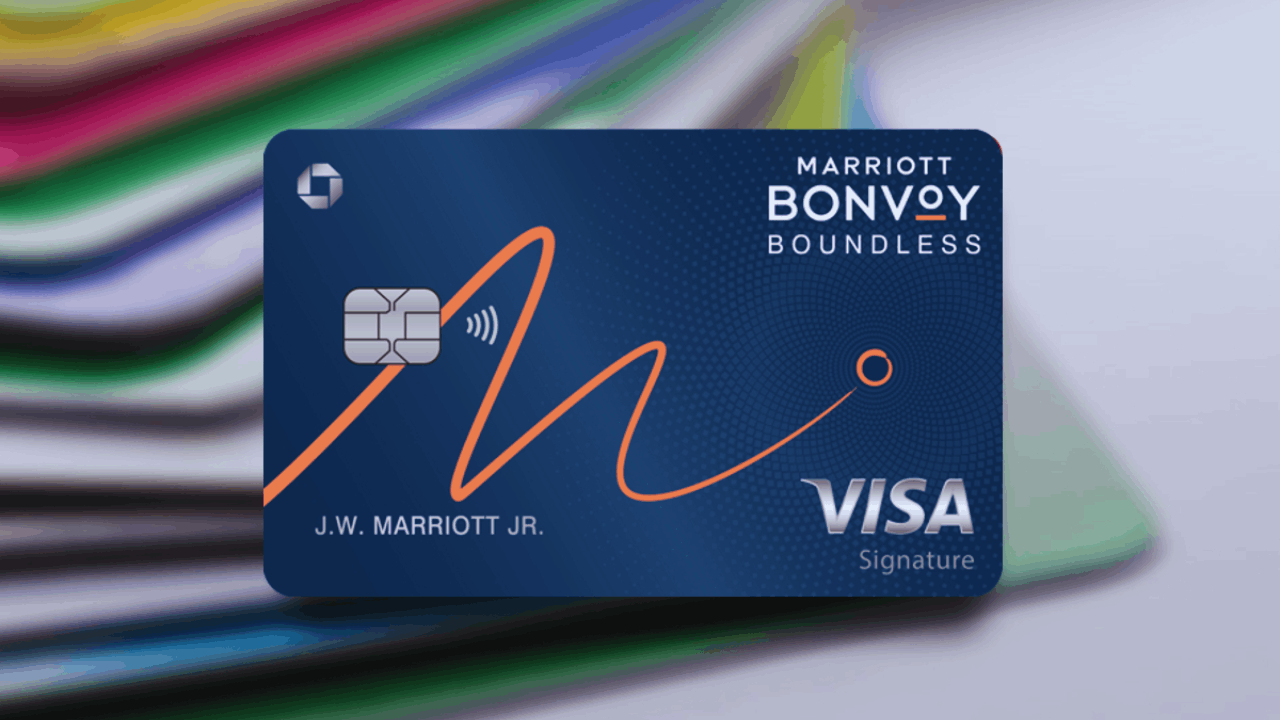
Marriott Bonvoy Boundless Credit Card from Chase
Boundless aligns with the Marriott Bonvoy ecosystem through automatic Silver Elite status, 15 Elite Night credits annually, and an annual Free Night Award, subject to point caps.
The card earns elevated points on stays at participating Marriott properties and competitive rates on everyday categories. Because status unlocks bonus earning on hotel stays, the flywheel accelerates for regular Marriott guests.
Additional benefits include late checkout, where available, and program-specific travel protections. Marriott and Chase provide detailed benefit pages and FAQs to verify redemption values and terms of status.
Conclusion
The co-brand model endures because it aligns incentives across cardholders, brands, issuers, and networks. Users want concrete value that aligns with real habits, and partners wish to measurable loyalty that justifies more generous perks.
With that fit in place, the rise of co-branded credit cards looks less like a trend and more like the new baseline for everyday rewards.
Note: There are risks involved when applying for and using credit. Consult the bank’s terms and conditions page for more information.